
Severe internal chest and abdominal injuries may be hidden even when external symptoms appear mild; the importance of early examination and surgical intervention
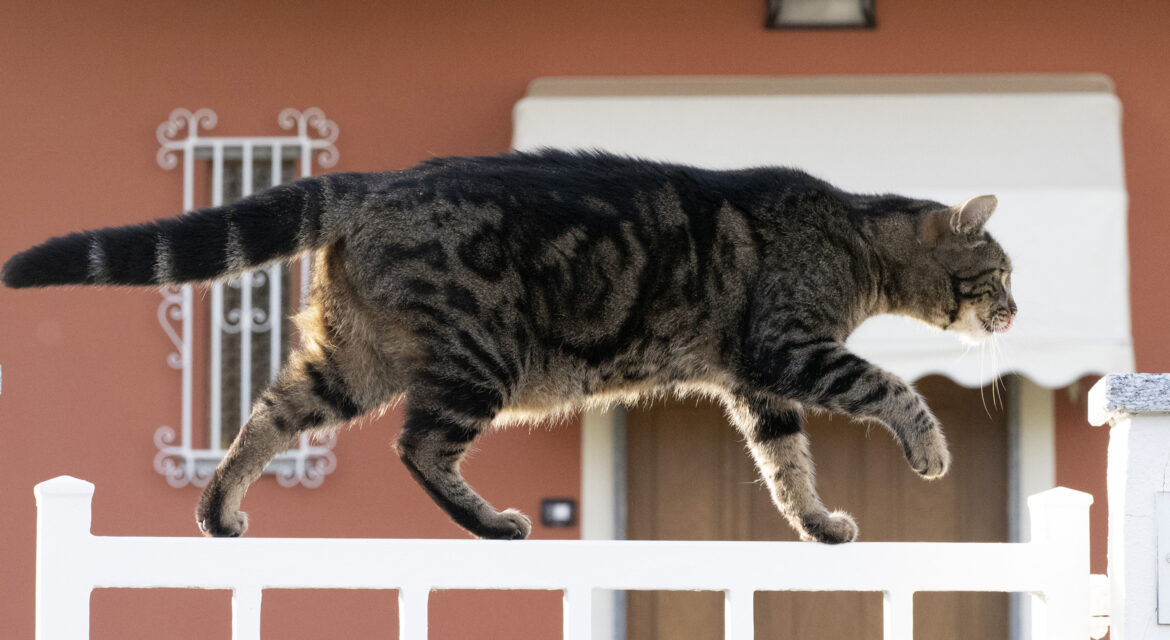
Cats falling from heights is an emergency frequently encountered in clinical practice. In some cases, the outward signs may not appear severe at the time of arrival, leading owners to assume that the cat has only sustained a minor injury or simply requires observation at home. However, internal trauma cannot be assessed reliably based on external appearance alone. Delayed diagnosis and treatment may result in serious, or even life-threatening, consequences.
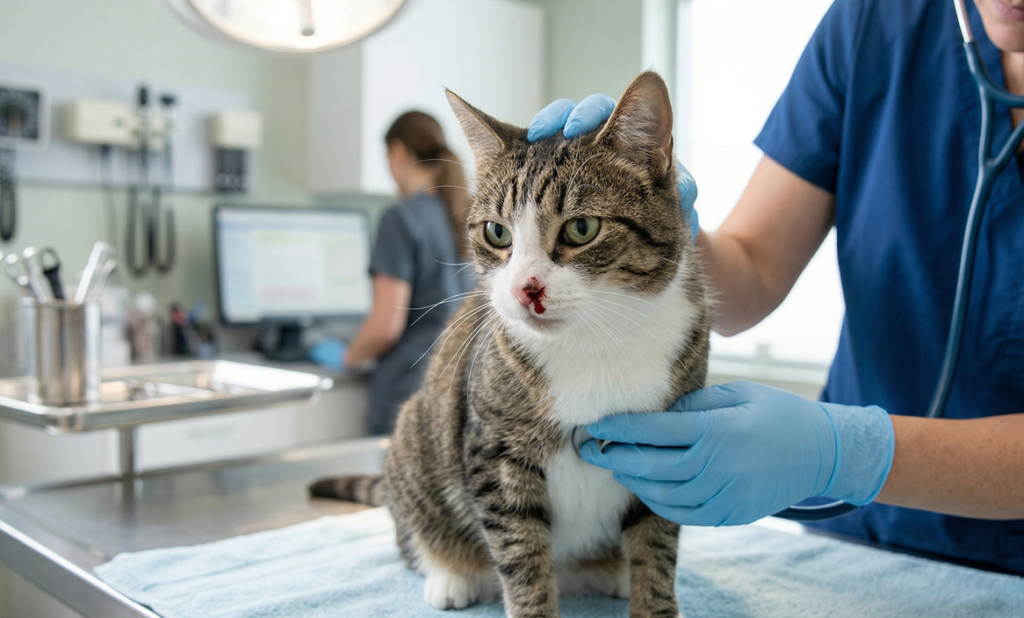
This case involved a 4-year-old cat that fell from the 4th floor onto the street. On presentation, the only obvious clinical sign was epistaxis (nosebleed), with no other marked abnormalities noted. Although the condition appeared relatively mild on the surface, the owner fortunately followed our veterinary recommendation to proceed with X-rays and ultrasonography, which allowed a potentially critical internal injury to be identified in time.
Case Progression and Initial Assessment
At presentation, the most notable finding was nosebleed, with no immediate signs of significant respiratory distress or other obvious external trauma. Situations such as this warrant particular attention in emergency assessment, because mild symptoms do not necessarily mean that serious internal injury is absent. The impact generated by a fall from height can result not only in fractures or facial trauma, but also in displacement, tearing, or compression of organs within the thoracic and abdominal cavities.
For this reason, advanced imaging was recommended so that any underlying injuries could be detected as early as possible, allowing valuable time for further treatment.
Imaging Findings: Abnormal Displacement of the Liver into the Thoracic Cavity
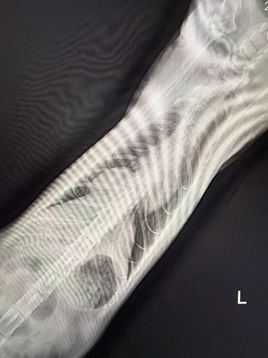
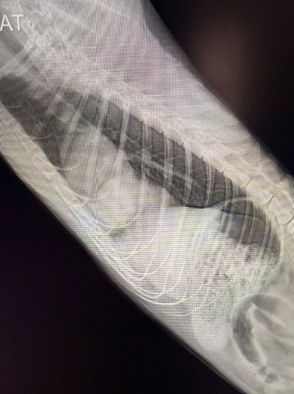
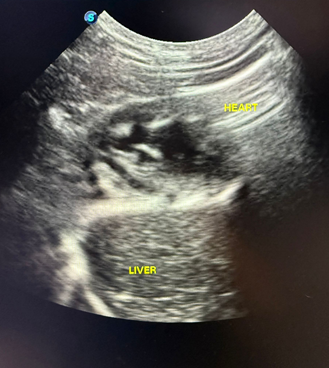
X-ray examination showed that the liver, which should normally be located in the abdominal cavity just below the diaphragm, was abnormally positioned within the thoracic cavity. Ultrasound examination further demonstrated that the liver was located close to the heart, which is highly abnormal.
These findings indicated that the cat had sustained a diaphragmatic rupture as a result of the impact from the fall, allowing abdominal organs to move into the thoracic cavity. The diaphragm is an important muscular structure that separates the chest cavity from the abdominal cavity. Once ruptured, abdominal organs may herniate into the thorax, compressing the lungs and the space surrounding the heart, thereby affecting normal respiration and circulation.
This case highlights that even when the only visible sign is a nosebleed, severe thoracic and abdominal trauma may still be present. Without timely imaging, such injuries can easily be overlooked.
Clinical Significance and Risks of Diaphragmatic Rupture
A diaphragmatic rupture is a traumatic condition that requires close attention. When abdominal organs are displaced into the thoracic cavity, the following risks may arise:
- Compression of the lungs, affecting normal expansion and ventilation
- Rapid deterioration of respiratory status
- Increased risk of impaired function due to compression of intrathoracic organs
- If treatment is delayed, the condition may progress into a life-threatening emergency
In some patients, dramatic symptoms may not appear immediately, making it easier for owners to assume that the condition is stable. However, these internal injuries may worsen within hours, or may deteriorate rapidly after movement, stress, or further bleeding. Therefore, after incidents such as a fall from height, animals should receive veterinary evaluation as soon as possible, even if they appear outwardly normal.
Surgical Findings: The Rupture Was Located in the Center of the Diaphragm, Making Repair Extremely Challenging
This patient subsequently underwent surgical treatment. Clinically, traumatic diaphragmatic ruptures are more commonly found along the lateral aspect of the diaphragm. In this case, however, surgery revealed that the rupture was located centrally, rather than at the side.
A centrally located rupture is significantly more challenging to repair. Because this region lies close to major blood vessels and numerous nerve structures, suturing had to be performed with extreme care in order to restore the diaphragm completely while avoiding damage to these vital surrounding tissues. For the surgical team, this type of operation requires not only precise technique, but also a high level of anatomical understanding and careful anaesthetic management.
Fortunately, the surgery was completed successfully, with the displaced organs repositioned and the diaphragmatic defect repaired.
The Importance of Anaesthetic Management: Use of IPPV Ventilatory Support
In addition to the technical complexity of diaphragmatic surgery itself, anaesthetic management is also critically important. Because the diaphragm is one of the primary muscles involved in breathing, spontaneous respiration may be significantly affected while the thoracic and abdominal structures are opened and repaired during surgery.
For this reason, IPPV (Intermittent Positive Pressure Ventilation) was used during anaesthesia in this case. This system actively and intermittently assisted the cat’s breathing throughout the procedure, helping to maintain adequate ventilation and oxygenation during surgery. In cases involving thoracic or diaphragmatic surgery, appropriate anaesthetic and ventilatory support are essential for improving surgical safety and patient stability.
The First 24 Hours Post-Surgery are Especially Critical
For patients undergoing diaphragmatic repair, the first 24 hours after surgery are often a particularly important monitoring period. During this time, close observation is needed for respiratory status, circulatory stability, pain control, and overall recovery after organ repositioning.
Reassuringly, this patient recovered well after surgery and showed very good overall progress. The owner later reported that the cat had returned to normal daily life and normal activity, reflecting the positive outcome made possible by timely diagnosis, surgical treatment, and postoperative care.
Key Messages from This Case
1. Cat Nets and Window Protection Cannot Be Ignored
Falls from height often happen very suddenly, especially around windows, balconies, or elevated open areas. A cat may fall if startled, while chasing insects or birds, or simply by losing footing.
For this reason, owners should pay close attention to the following at home:
- Install secure cat safety nets
- Use cat-proof window guards or window restrictors
- Keep windows closed, or only open them when adequate protection is in place
- Regularly check that window edges, screens, and safety nets remain secure
Preventing accidents is always better than treating them afterward.
2. Absence of Obvious Symptoms Does Not Mean Safety
One of the most important points in this case is that the cat presented only with a nosebleed. Based on outward appearance alone, this could easily have been mistaken for a minor injury. However, imaging ultimately revealed severe thoracic and abdominal trauma.
Therefore, even if a cat appears to have no obvious abnormalities after a fall from height, this does not mean there is no internal injury. Delayed veterinary attention may result in missed treatment opportunities and may even increase the risk to the animal’s life.
3. Early Treatment Matters
Diaphragmatic rupture can cause abdominal organs to shift into the thoracic cavity, affecting both breathing and circulation. It is therefore a high-risk traumatic condition. In this case, the rupture was located centrally, making the surgery especially difficult and underscoring the importance of early diagnosis, appropriate anaesthetic support, and surgical expertise.
If treatment is delayed, compression of organs, unstable respiration, and worsening overall condition can all contribute to greater surgical risk.
Figure Captions
Figure 1 | X-ray image showing abnormal displacement of abdominal organs into the thoracic cavity, with the liver in a clearly abnormal position.
Figure 2 | A second X-ray view demonstrating abnormal soft tissue opacity within the thoracic cavity, supporting the diagnosis of liver displacement into the chest.
Figure 3 | Ultrasound image showing the liver positioned close to the heart, a highly abnormal finding suggestive of diaphragmatic rupture with herniation of abdominal organs into the thoracic cavity.
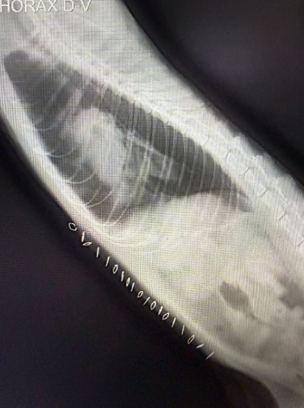
Figure 4 | Postoperative image showing that the patient had undergone diaphragmatic repair and related surgical management.
Conclusion
If a cat experiences a fall from height, blunt impact, or any other type of trauma, veterinary assessment and imaging are still strongly recommended even if the animal appears outwardly unaffected. Early diagnosis and treatment are essential for reducing surgical risk and protecting the cat’s life.
CityVet Cat Consultation Service
CityVet is committed to providing excellent, comprehensive veterinary medical care. Guided by our core values of professionalism, compassion, and trust, we aim to offer reasonably priced services, utilise advanced medical equipment, and provide owners with detailed explanations of available treatment options, so that every pet receives thorough and attentive care.
Want to book a cat consultation? Please call our Tsuen Wan branch at 2623 5500 or our Yuen Long branch at 2477 9990. Address: G/F, 186 Sha Tsui Road, Tsuen Wan / Shop 2, G/F, Fortune Sunshine House, 25 Ping Wui Street, Yuen Long.
Disclaimer
This article provides general information only and cannot replace professional medical diagnosis. If you have any concerns, please book a veterinary check-up as soon as possible.