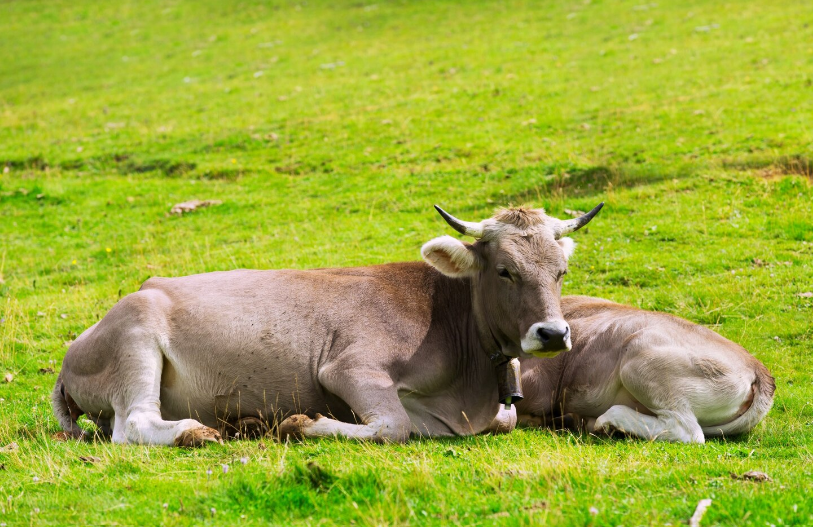
Although Hong Kong is a major city, many goats, sheep, and cattle are still carefully cared for in educational farms, eco-parks, and animal shelters in the New Territories. The physiology and metabolism of these ruminants are very different from those of cats and dogs, and the core of their medical care lies in herd health management and preventive medicine.
The Unique Medical Needs of Ruminants in Hong Kong
Ruminants rely on a large community of microbes in the rumen to digest fiber. In Hong Kong, humid weather and limited site space are two major factors affecting the health of sheep and cattle. Poor terrain or inadequate drainage often leads to hoof problems, and compared with a more natural environment, limited exercise in captive settings can also contribute to digestive disease.
Foot Rot: The Biggest Enemy During Hong Kong’s Wet Season
Hong Kong’s hot, humid summer is ideal for bacterial growth. When sheep stand for long periods on muddy or wet ground, the hoof horn softens, allowing bacteria such as Fusobacterium necrophorum to invade the tissues between the claws.
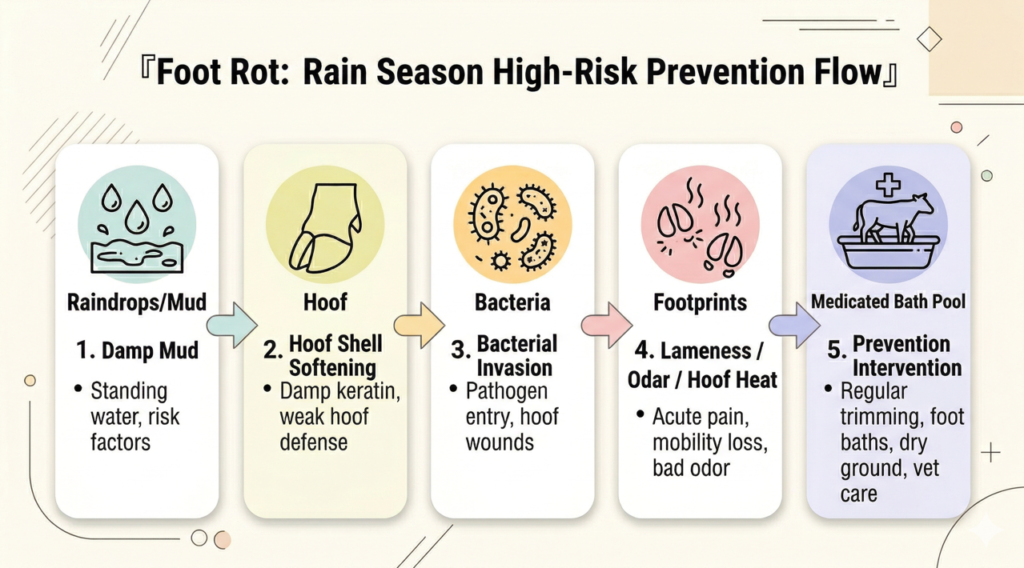
- Clinical signs: Sheep may show lameness, heat in the hoof, foul odor, or even hoof horn separation.
- Prevention and treatment: Regular hoof trimming is essential. Managers may also be guided to set up a professional footbath and use copper sulfate solution to reduce pathogen load.
- Environmental optimization: Keeping resting areas dry and well drained is fundamental to prevention.
Protecting the Digestive System: From Bloat to Rumen Health
Digestive diseases in ruminants are often sudden and potentially fatal. Acute bloat usually occurs after animals consume too much highly fermentable green forage or high-starch concentrate. Large amounts of gas accumulate in the rumen and become trapped in foam, preventing normal release through belching.
- Emergency signs: Marked swelling of the left abdomen, rapid breathing, restlessness, or collapse due to pressure on the heart and lungs. This is a clinical emergency and requires a veterinarian to decompress the rumen by trocarization or tubing.
- Dietary balance recommendations: Adequate high-fiber hay such as timothy or alfalfa should be provided, and human foods such as bread or biscuits should be strictly limited to prevent life-threatening ruminal acidosis.
Parasite Control Strategies
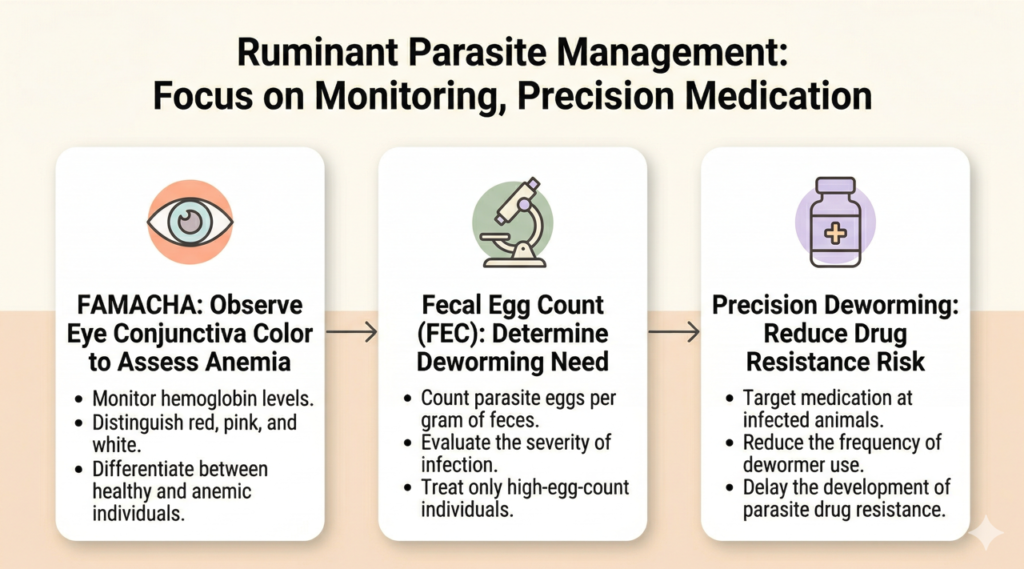
Because of Hong Kong’s hot climate and limited space, sheep and cattle are often kept at relatively high stocking densities, which accelerates parasite transmission.
Preventive Medicine: Vaccination Plans and Biosecurity
Vaccination is central to building herd immunity. For ruminants, combination vaccines against several clostridial diseases, such as tetanus, blackleg, and enterotoxemia, are commonly recommended in clinical practice. In farm settings, regular site disinfection and quarantine of newly introduced animals can also effectively reduce the risk of outbreaks of contagious diseases such as foot-and-mouth disease.
Heat Stress Management: Essential Summer Protection
For woolly sheep and breeds that do not tolerate heat well, Hong Kong summers can easily lead to heat stress.
- Recognizing the signs: Open-mouth breathing or panting, excessive salivation, lethargy, and a rapid heart rate.
- Preventive measures: Clean, cool drinking water must be available at all times. Outdoor activity areas should have adequate shade, and large industrial fans may be needed to improve air circulation.
Conclusion: Building a Scientific Medical System for Farms
Ruminant health management does not happen overnight. By maintaining detailed examination records, weight-monitoring data, vaccination histories, and medication records, caretakers and veterinary teams can better identify health trends. Diagnostic tools such as digital X-rays and ultrasound provide invaluable visual information for conditions such as fractures, advanced pregnancy, and internal disease.
FAQ
Q1: Why do goats grind their teeth?
A: Teeth grinding in ruminants usually indicates significant pain or severe abdominal discomfort. It is commonly associated with bloat, ruminal acidosis, or serious abdominal pain, and immediate veterinary assessment is recommended.
Q2: What vaccines do sheep need?
A: Depending on environmental risk, combination vaccines against clostridial diseases, such as common 5-in-1 or 7-in-1 vaccines, are usually recommended to help prevent tetanus and enterotoxemia.
Q3: How can I tell whether a sheep is anemic?
A: Check the color of the conjunctiva. A healthy conjunctiva should look pink-red. If it appears pale pink or white, severe internal parasite infection, such as Haemonchus contortus, may be present and fecal testing is recommended for confirmation.
Q4: Does excessive drooling in cattle mean the animal is sick?
A: Ruminants normally produce saliva while chewing cud, but excessive salivation may indicate an oral foreign body, dental disease, or even certain viral infectious diseases. Body temperature and appetite should also be assessed.
Q5: Can ruminants be fed human bread or fruit?
A: It is not recommended. High-carbohydrate foods such as bread disrupt rumen pH balance and may trigger acidosis. Fruit may be offered only as a very small treat, as excessive amounts can also cause digestive upset.
CityVet Ruminant Consultation
CityVet is committed to providing outstanding, comprehensive veterinary care. Guided by our core values of professionalism, compassion, and trust, we aim to offer reasonably priced services, advanced equipment, and clear explanations of all treatment options, so every pet receives complete medical support.
To book a ruminant consultation, please call our Tsuen Wan branch at 2623 5500 or our Yuen Long branch at 2477 9990. Address: G/F, 186 Sha Tsui Road, Tsuen Wan / Shop 2, G/F, Fuk Shun Building, 25 Ping Wui Street, Yuen Long.
Disclaimer: This article is for general information only and does not replace professional medical diagnosis. If you have concerns, please arrange a veterinary examination as soon as possible.