
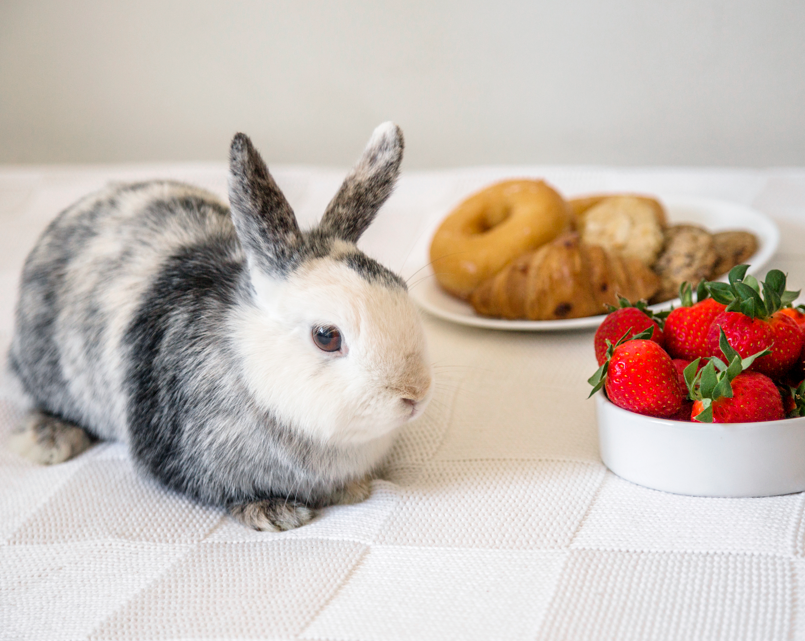
Rabbits are small herbivorous mammals with long, sensitive digestive tracts and teeth that grow continuously throughout their lives. According to Veterinary Centers of America, small mammals should undergo their initial examination within 1–2 weeks of purchase, followed by check-ups at least twice a year thereafter.
Common Health Issues
- Gastrointestinal (GI) Stasis
GI Stasis is one of the most common critical conditions in rabbits. It can be caused by a low-fiber diet, stress, pain, or dehydration. Symptoms include loss of appetite, few or no fecal pellets, abdominal bloating, and lethargy. Early detection and immediate treatment can significantly increase survival rates. - Dental Disease and Improper Tooth Trimming
A rabbit’s incisors and molars grow continuously. An improper diet or lack of chew toys can lead to sharp spurs, root abscesses, or malocclusion. Some owners attempt to trim the teeth themselves, but improper trimming can cause tooth fractures and infections. The correct procedure is for a veterinarian to trim them under anesthesia.
Problems Caused by Improper Diet
Common nutritional mistakes include: feeding too much fruit, carrots, or bread, causing the rabbit to ingest excessive sugar and starch; a lack of hay or fiber leading to GI stasis; and picky eating caused by long-term feeding of mixed feed. It is recommended to provide unlimited hay daily, an appropriate amount of high-fiber pellets, and fresh vegetables. Overall treats should be reduced: Not only should high-sugar fruits and starches be avoided, but store-bought hay cubes and hay sticks are also considered treats. These can easily cause picky eating, excessive calorie intake, and affect the intake of the staple hay and gastrointestinal stability.
When to Seek Medical Help and Clinic Procedures
If your rabbit exhibits symptoms such as refusal to eat, lethargy, diarrhea, abdominal bloating, drooling, teeth grinding, or bleeding gums, you should book a veterinary appointment immediately. The clinic process involves inquiries about dietary habits, environment, and past medical history. The physical examination covers weight measurement, oral examination, abdominal palpation, and auscultation. Blood tests, fecal examinations, or X-rays will be performed if necessary.
Treatment Plans
Treatment for GI stasis includes fluid therapy, pain relief, gut motility medication, and force-feeding; dental problems require tooth trimming, antibiotics, and pain relief. The veterinarian will provide a detailed cost estimate and medical plan based on the condition.
Proper Nutrition and Home Care
- Diet Management: Unlimited hay (Timothy or Orchard grass), 1–2 tablespoons of high-fiber pellets daily, and a small amount of dark leafy greens.
- Treats and Rewards: To maintain gut stability and hay intake, it is recommended to avoid treats as much as possible. Use treats sparingly only when necessary. Even products that “look like hay products,” such as hay cubes and hay sticks, should be reduced, especially those containing honey, syrup, grains, or high-starch binding agents.
- Hydration: Provide clean drinking water and change it daily.
- Exercise and Environment: Provide spacious activity areas, hideouts, and chew toys; avoid slippery floors.
- Regular Check-ups: Check teeth and gut health every six months to a year, especially for senior rabbits.
Frequently Asked Questions (FAQ)
- Can rabbit GI stasis heal on its own?
No. GI stasis is a medical emergency and requires immediate handling by a veterinarian. - Can hay cubes or hay sticks be eaten daily?
Not recommended. Hay cubes and sticks are treats and may cause rabbits to reduce their intake of staple hay, leading to picky eating or excessive calories. If they must be used, follow the principle of “very small amounts, not daily,” and ensure the rabbit’s hay intake, fecal shape, and appetite remain normal. - Can rabbits eat fruit?
Yes, but it should be provided in small amounts and only occasionally, such as apples or berries; avoid high-sugar fruits like raisins or bananas. - Are regular check-ups necessary?
Yes. It is recommended that all pets have a check-up at least annually. Because rabbits commonly suffer from gastrointestinal and dental issues, they should ideally be checked every six months.
Cityvet Rabbit Clinic
Cityvet is committed to providing outstanding comprehensive veterinary medical services, upholding the core values of “Professionalism, Care, and Trust.” We aim to offer reasonable charges, utilize advanced equipment, and provide detailed explanations of various treatment methods to owners, ensuring comprehensive medical care for every pet.
Want to book an appointment for the Rabbit Clinic? Please call the Tsuen Wan branch at 2623 5500 or the Yuen Long branch at 2477 9990. Addresses: G/F, 186 Sha Tsui Road, Tsuen Wan / Shop 2, G/F, Fuk Shun Building, 25 Ping Wui Street, Yuen Long.
Disclaimer: This article provides general information only and is not a substitute for professional medical diagnosis. If you have any concerns, please schedule a veterinary appointment as soon as possible.