
Heat Stress: Symptoms and Prevention
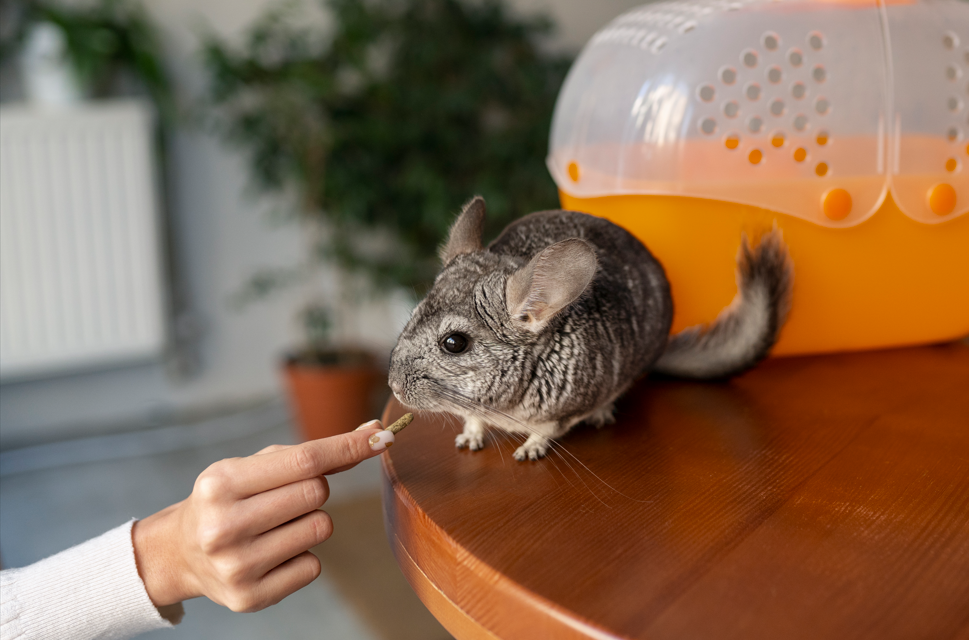
Chinchillas (Chinchilla lanigera) are native to the Andes Mountains in South America and are adapted to dry, cold climates. In humid and hot Hong Kong, improper environmental control can easily lead to heat stress. Chinchillas have poor body temperature regulation, and if the ambient temperature exceeds 25°C, they may suffer from heat stress. Symptoms include open-mouth breathing, drooling, lethargy, unsteady gait, and even convulsions. Prevention methods include: keeping the indoor temperature at 18–24°C, avoiding direct sunlight or stuffy conditions, providing ceramic or slate hiding areas, and using fans or air conditioning for cooling. Avoid stuffy plastic cages.
Dental Disease: Causes and Treatment
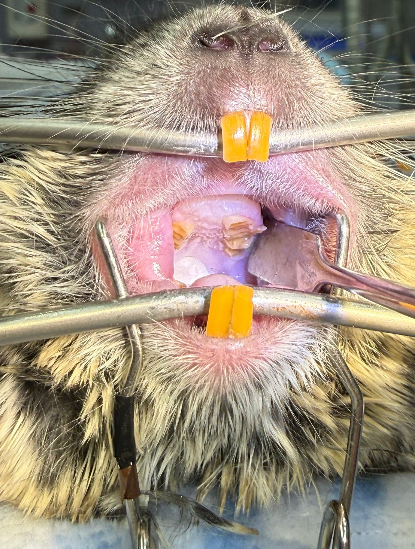
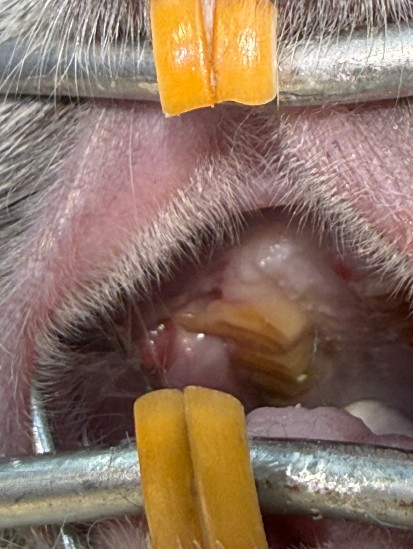
A chinchilla’s incisors and molars grow continuously. A lack of sufficient chewable materials can lead to overgrown teeth or sharp points, causing drooling, a wet chin, picky eating, or weight loss. Dental treatment must be performed under veterinary supervision and includes teeth trimming and an examination for root infections or abscesses.
When to Seek Medical Attention and Clinic Procedures
When a chinchilla shows symptoms such as rapid breathing, elevated body temperature, drooling, refusal to eat, or weight loss, you should immediately schedule a veterinary appointment. The clinic procedure includes asking about environmental temperature, humidity, and diet. A physical examination covers weight measurement, oral and ear/nose checks, and auscultation of the heart, lungs, and abdomen. Imaging (X-rays or dental CT) and blood analysis may be performed if necessary.
Treatment Plans
Treatment for heat stress includes cooling, fluid therapy, and oxygen support. In severe cases, hospitalization may be necessary. Dental problems require teeth trimming, antibiotics, and pain medication, depending on whether an abscess is present.
Environment and Diet Management
- Cooling and Ventilation: Use a well-ventilated cage, control the room temperature to 18–24°C, and use air conditioning and a dehumidifier in the summer.
- Chewable Items and Diet: Provide high-fiber hay, a moderate amount of high-fiber pellets, and safe wooden blocks for grinding teeth. Avoid high-sugar treats.
- Dust Bath: Use specialized dust 2–3 times per week to keep the fur dry and prevent skin problems.
- Hygiene and Cleaning: Regularly clean the cage and food bowls, and keep them dry to reduce mold.
Frequently Asked Questions (FAQ)
- Are chinchillas afraid of heat?
Yes. They are native to dry, cold mountains and are sensitive to high temperatures. The room temperature should be kept at 18–24°C. - How can I tell if their teeth are overgrown?
Drooling, a wet chin, refusal to eat, or teeth grinding sounds are warning signs of overgrown teeth and require a veterinary examination. - Do chinchillas need water baths?
No, they use dust baths to clean their fur. Water baths can cause hypothermia or skin problems. - Can a chinchilla get a cold from being in air conditioning for a long time?
Air conditioning is safe to use as long as the temperature is moderate and there is no strong, direct airflow. A warm hiding area should be provided. - How often should they have a physical exam?
It is recommended to have a check-up within 1–2 weeks of getting a new chinchilla, and then at least once a year. If there are dental or other health problems, the frequency should be increased.
Cityvet Chinchilla Clinic
Cityvet is committed to providing outstanding comprehensive veterinary medical services, upholding the core values of “professionalism, care, and trust”. We aim to offer reasonably priced services, utilize advanced equipment, and provide detailed explanations of various treatment methods to owners, ensuring comprehensive medical care for every pet.
To book a chinchilla clinic appointment, please call the Tsuen Wan clinic at 2623 5500 or the Yuen Long clinic at 2477 9990. Our addresses are: G/F, 186 Sha Tsui Road, Tsuen Wan / G/F, Fuk Shun Building, 25 Ping Wai Street, Yuen Long.
Disclaimer: This article provides general information only and is not a substitute for professional medical diagnosis. If you have any concerns, please schedule a veterinary appointment as soon as possible.