
Common Parasites: Internal and External
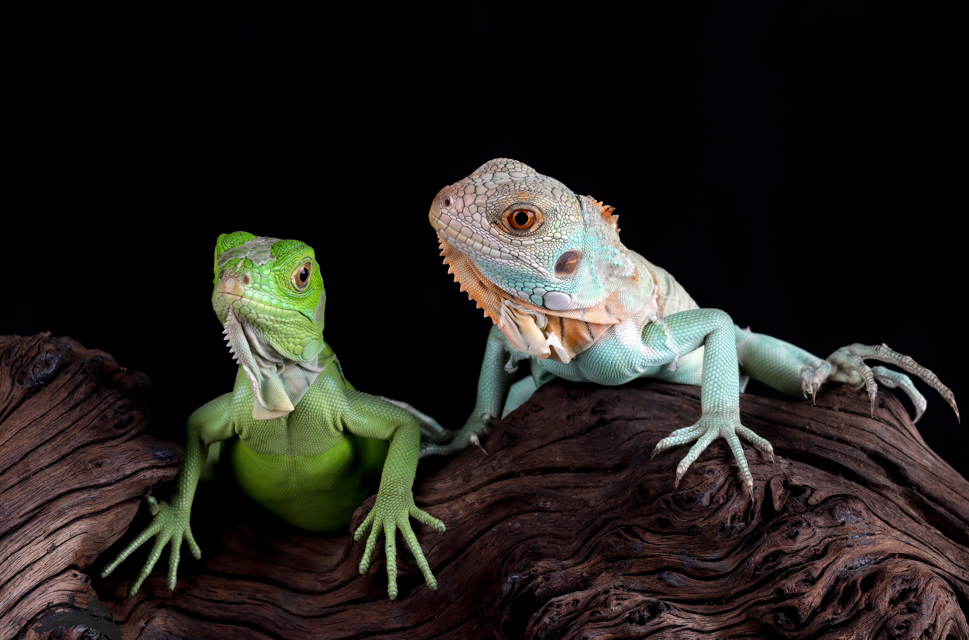
Reptiles, including lizards, snakes, and turtles, often have health problems such as parasitic infections and metabolic bone disease. According to the American Animal Hospital Association guidelines, all pets should have a physical examination at least once a year. New pets should also be checked within one to two weeks of purchase and have regular follow-up appointments.
Internal parasites like whipworms, roundworms, and flagellates can cause weight loss, a decrease in appetite, and abnormal feces. External parasites like lizard mites, ticks, and lice can cause itchy skin, poor shedding, and anemia. Regular fecal and skin examinations can help with the early detection and treatment of parasites.
Metabolic Bone Disease and Nutritional Deficiencies
Metabolic bone disease (MBD) is a common disease in reptiles caused by a lack of UVB light exposure or an improper calcium-to-phosphorus ratio. Symptoms include soft bones, fractures, weakness, and convulsions. Prevention methods include providing an appropriate UVB lamp, calcium supplements, vitamin D3, and a balanced diet.
Symptom Observation and When to Seek Medical Attention
You should seek medical attention immediately if your pet shows the following symptoms: persistent refusal to eat, weight loss, an inability to shed normally, open-mouth breathing, a swollen body, or obvious external parasites. Reptiles often hide their pain, so seeking medical attention early can increase the success rate of treatment.
Clinic Process and Examinations
During a clinic visit, the veterinarian will ask about the environment, lighting, diet, and history. A physical examination includes weight measurement, skin and oral checks, and auscultation and palpation of the abdomen. Diagnostic tests may include a fecal test, skin scraping, blood biochemistry, X-rays, or ultrasound. Some reptiles may require a brief sedation to complete imaging.
Treatment Plans
Treating parasites involves oral deworming medication and topical medication. Treating metabolic bone disease requires calcium supplements, vitamin D3, adjusting the UVB and heat lamps, and possibly setting fractures.
Prevention and Environmental Management
- Lighting and Temperature/Humidity: Provide an appropriate UVB lamp and replace it regularly. Set up a temperature gradient and control the humidity.
- Diet: Provide appropriate feed, insects, or vegetables and fruits depending on the species. Supplement calcium regularly.
- Hygiene: Regularly clean the enclosure to prevent feces from building up. Isolate new animals to prevent the spread of parasites.
- Record Keeping and Observation: Record weight, food intake, and waste. Perform regular fecal tests.
Frequently Asked Questions (FAQ)
- How can I tell if my reptile has parasites?
Check feces for undigested food, blood, or parasites. Check the skin for mites or ticks, and confirm with a fecal test. - When should I replace the UVB lamp?
It is generally recommended to replace it every 6–12 months, and maintain a suitable distance and unobstructed light. - Can I buy medicine myself to deworm my pet?
It is not recommended. Different species have different sensitivities to medication, so a veterinarian should prescribe the appropriate medication. - Can metabolic bone disease be reversed?
Early detection and correcting the environment and nutrition can improve symptoms. Advanced stages can lead to permanent bone deformation. - Can I keep different reptiles together?
It is not recommended to keep different species together, as it can lead to fighting, infectious diseases, or the spread of parasites.
Cityvet Reptile Clinic
Cityvet is committed to providing outstanding comprehensive veterinary medical services, upholding the core values of “professionalism, care, and trust”. We aim to offer reasonably priced services, utilize advanced equipment, and provide detailed explanations of various treatment methods to owners, ensuring comprehensive medical care for every pet.
To book a reptile clinic appointment, please call the Tsuen Wan clinic at 2623 5500 or the Yuen Long clinic at 2477 9990. Our addresses are: G/F, 186 Sha Tsui Road, Tsuen Wan / G/F, Fuk Shun Building, 25 Ping Wai Street, Yuen Long.
Disclaimer: This article provides general information only and is not a substitute for professional medical diagnosis. If you have any concerns, please schedule a veterinary appointment as soon as possible.