
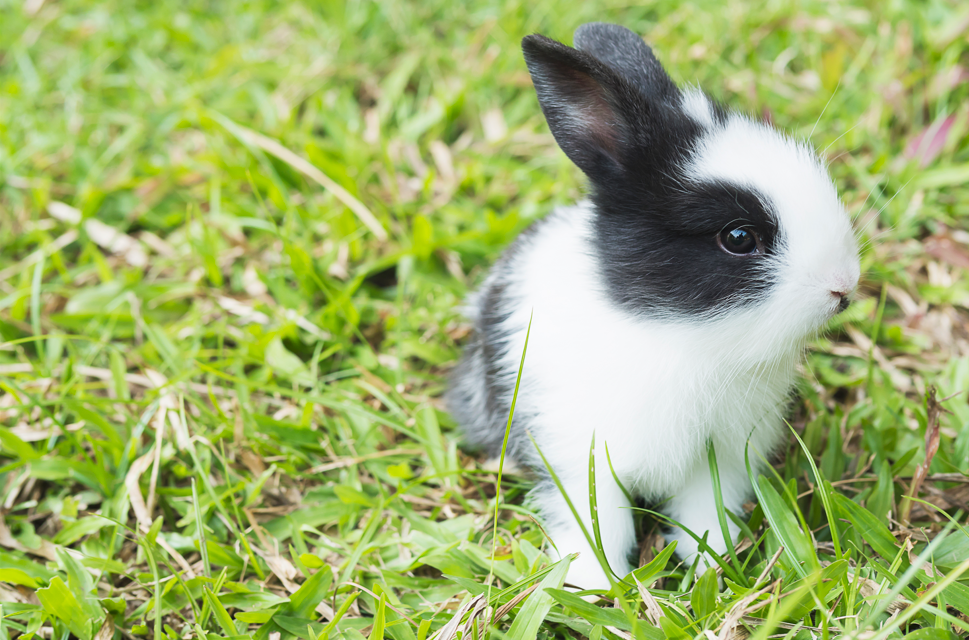
Rabbits have a unique gastrointestinal and dental structure. If their diet or environment is slightly off, they can easily develop GI stasis or dental problems. If these diseases are not treated promptly, they can become life-threatening. This article will explain the causes, symptoms, diagnosis, and treatment procedures to help Hong Kong owners take action in a timely manner.
Introduction to Gastrointestinal Stasis (GI Stasis)
GI stasis is a common emergency in rabbits. It is often caused by a low-fiber diet, pain, stress, or dehydration. The gut motility slows down or stops, and food gets stuck, leading to excessive fermentation by bacteria and gas production, which causes abdominal bloating and severe pain. Symptoms include: suddenly refusing to eat, very little or no defecation, abdominal bloating, lethargy, or teeth grinding and moaning. The earlier GI stasis is found, the higher the survival rate.
Dental Problems and Causes
A rabbit’s teeth grow continuously and need to be worn down sufficiently by chewing. Common problems include:
- Overgrown Incisors: This is when the front incisors become elongated, affecting the bite.
- Molar Spurs and Malocclusion: Molar spurs can grow and poke the tongue or mouth, causing pain and drooling.
- Dental Root Infections or Abscesses: An infection of the teeth or roots can cause an abscess, leading to facial swelling. These problems are often caused by insufficient fiber intake or genetic factors.
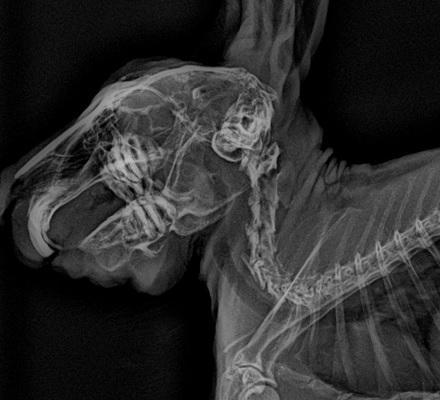
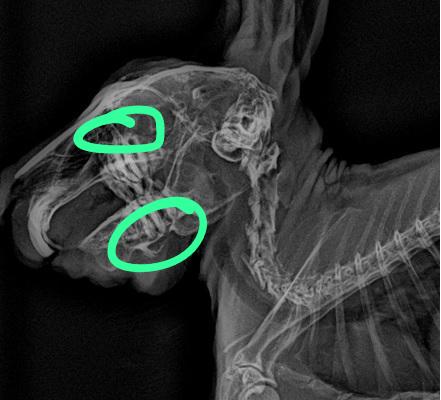
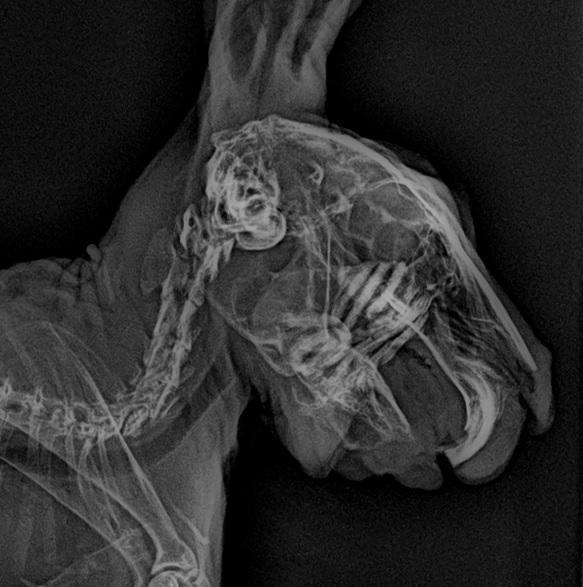
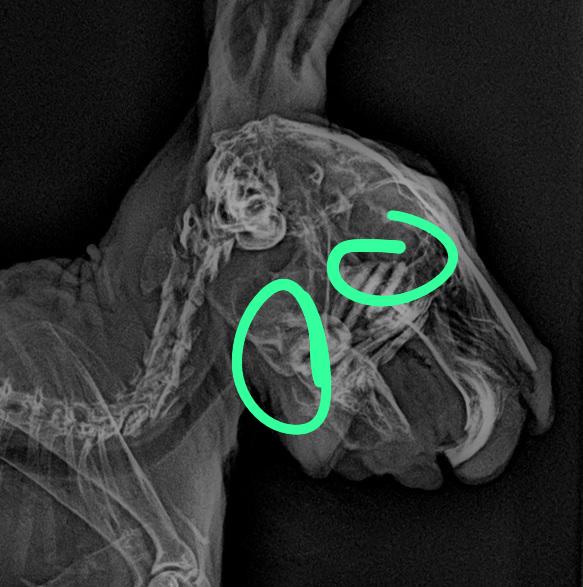
Incisor infection, filled with pus
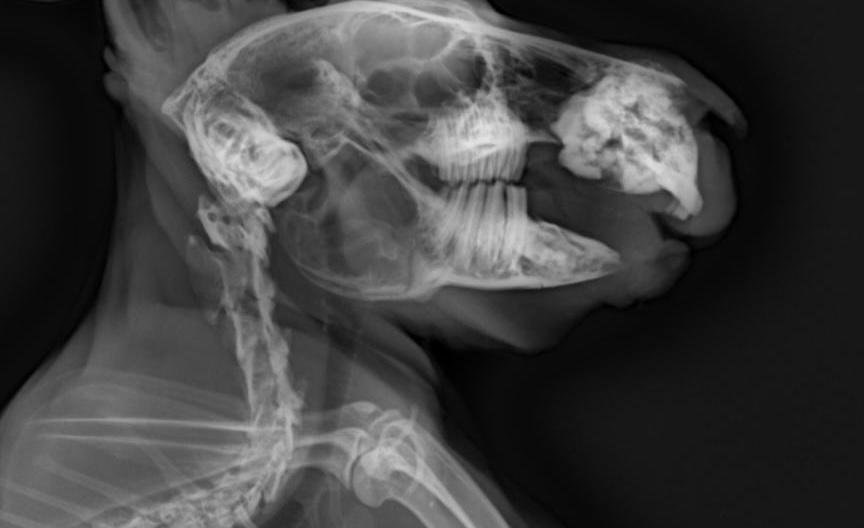
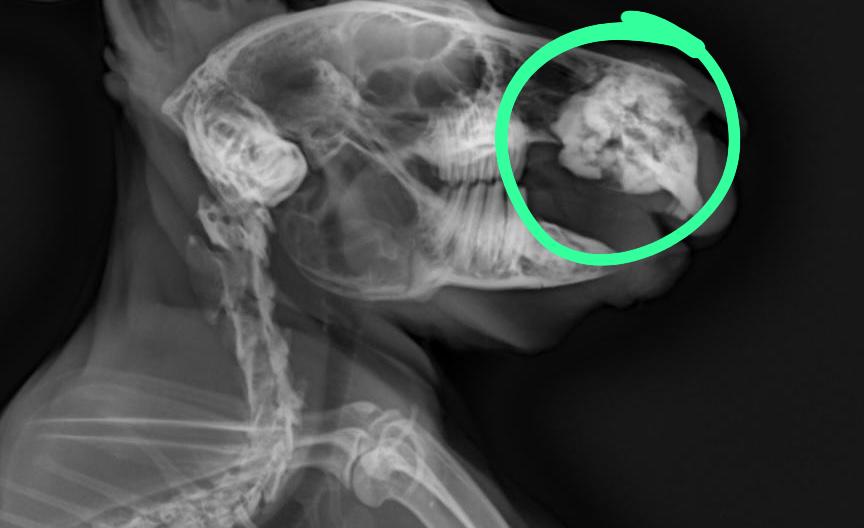
Elongated tooth roots (induced by an overly diverse diet, causing the rabbit to become picky, eat only sweet foods, and refuse tough hay)
Symptom Identification and When to Seek Medical Attention
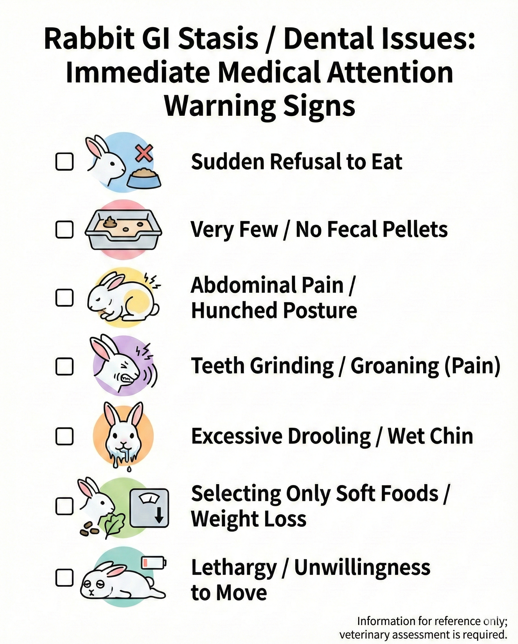
When a rabbit shows any of the following symptoms, you should seek medical attention immediately:
- Refusing to eat or only eating soft foods, and weight loss.
- Excessive drooling, a wet chin, or dermatitis.
- A decrease in the amount of feces or a complete lack of feces.
- Abdominal bloating, an abnormal posture, or constant teeth grinding.
- Nasal discharge, tearing, or rapid breathing (may be combined with an upper respiratory infection).
Diagnosis and Treatment Procedures
- Consultation and Physical Examination: The vet will ask about the diet, environmental factors, and onset of symptoms. They will check the weight, palpate the abdomen, listen to the gut sounds, and examine the mouth.
- Imaging: X-rays can be used to assess gas in the intestines, the location of fecal impaction, and the dental structure. Sedation may be needed.
- Blood and Fecal Tests: To check for dehydration, organ problems, or parasitic infections.
- Treatment:
- GI Stasis: Use fluid therapy, pain relief, pro-motility drugs, and assisted feeding. Address the pain and other underlying causes.
- Dental Problems: Trim teeth, remove spurs, or treat dental root abscesses under anesthesia. After the procedure, the rabbit will need pain medication and antibiotics.
- Adjust the diet to maintain sufficient fiber intake.
Prevention and Home Care
- Dietary Focus: Provide unlimited hay (Timothy hay or orchard grass) as the main food, supplemented with a small amount of high-fiber pellets and fresh vegetables. Avoid high-sugar fruits and grain treats.
- Hydration: Make sure the water bottle or bowl has clean water. Encourage drinking to help with gut motility.
- Environmental Management: Maintain a quiet, comfortable environment to avoid stress. Regularly clean the cage and provide wooden blocks and chew toys for grinding teeth.
- Regular Check-ups: It is recommended to have dental and GI assessments every 6–12 months, especially for rabbits that have had problems before.
Frequently Asked Questions (FAQ)
- My rabbit suddenly stopped eating and defecating, what should I do?
It could be GI stasis. Please take it to a vet immediately, as GI stasis is an emergency that requires prompt treatment. - Can I trim my rabbit’s teeth myself?
It is not recommended. Improper trimming can cause cracked teeth or infections. Teeth trimming should be done by a vet under appropriate anesthesia. - Why is my rabbit drooling?
It could be due to molar spurs, mouth pain, or an upper respiratory infection. A dental check and an assessment for other causes are needed. - Is assisted feeding dangerous for rabbits?
Proper assisted feeding provides energy and hydration, but you must follow the vet’s instructions. - Can GI stasis recur after recovery?
If the diet or environmental issues are not improved, there is a risk of recurrence. Maintaining a high-fiber diet and good living habits can reduce the risk.
Cityvet Rabbit Clinic
Cityvet is committed to providing outstanding comprehensive veterinary medical services, upholding the core values of “professionalism, care, and trust”. We aim to offer reasonably priced services, utilize advanced equipment, and provide detailed explanations of various treatment methods to owners, ensuring comprehensive medical care for every pet. To book a rabbit GI stasis or dental clinic appointment, please call the Tsuen Wan clinic at 2623 5500 or the Yuen Long clinic at 2477 9990. Our addresses are: G/F, 186 Sha Tsui Road, Tsuen Wan / G/F, Fuk Shun Building, 25 Ping Wai Street, Yuen Long.
Disclaimer: This article provides general information only and is not a substitute for professional medical diagnosis. If you have any concerns, please schedule a veterinary appointment as soon as possible.