
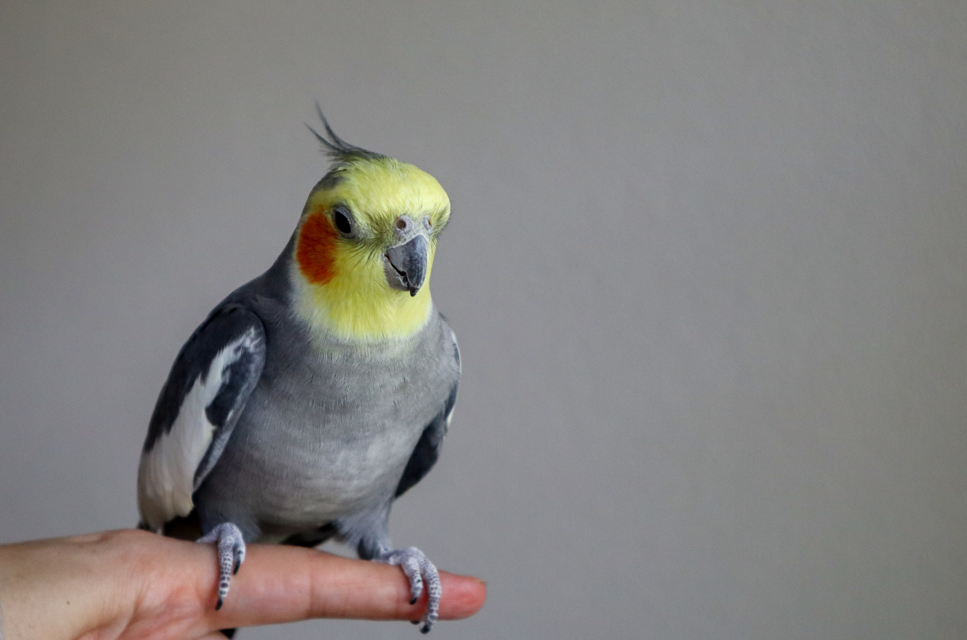
Small birds, including budgerigars, finches, and cockatiels, are beloved pets for many Hong Kong families. They may seem healthy, but due to their small size and sensitivity to the environment, respiratory, feather, and parasitic problems are quite common.
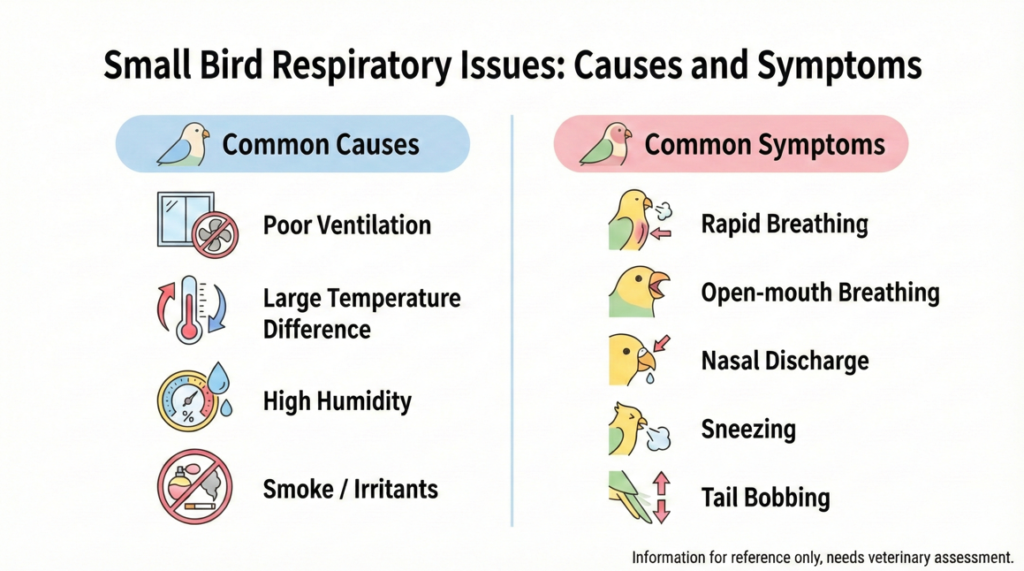
Respiratory Diseases Respiratory diseases in small birds mainly include respiratory infections, air sacculitis, and environmental irritants.
- Cause: Poor ventilation, large temperature fluctuations, high humidity, or exposure to irritants like smoke.
- Symptoms: Rapid breathing, open-mouth breathing, nasal discharge, sneezing, and tail bobbing.
- Treatment: Improve the environment’s ventilation and temperature and humidity levels. A veterinarian may prescribe antibiotics or antifungal medication. If the condition is severe, hospitalization and oxygen therapy may be necessary.
Feather Problems The condition of a bird’s feathers reflects its health.
- Vitamin A Deficiency: This is one of the most common issues for pet birds in Hong Kong. Many owners rely too heavily on sunflower seeds for feed, leading to severe malnutrition. A lack of Vitamin A results in dry skin, dull feathers, and can even damage the lining of the respiratory tract.
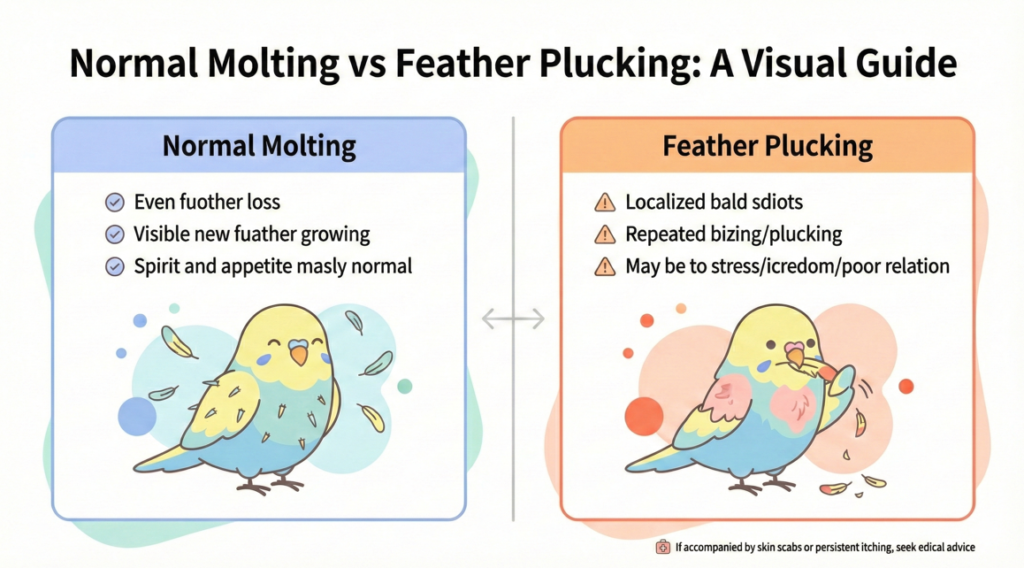
- Feather Plucking: This can be caused by stress, boredom, nutritional imbalances, or skin diseases. The bird will repeatedly pluck and bite itself.
- Feather Chewing: This may be due to a lack of protein or vitamin A, or a lack of environmental stimulation.
- Feather Disease Viruses: Pathogens such as Psittacine Beak and Feather Disease (PBFD) can lead to sparse or deformed feathers.
- Handling: Provide a variety of toys and improve the living environment. A veterinarian should test for viruses and nutritional deficiencies to provide corresponding treatment.
Parasitic Problems Common parasites in small birds include:
- Feather Mites and Quill Mites: These live on the feathers or skin and cause itching, feather loss, and folliculitis.
- Internal Parasites: Such as flagellates and roundworms, which can cause indigestion and malnutrition.
- Infection Route: Unsanitary environments, contact with wild birds, or contaminated food. Treatment requires deworming medication as directed by a veterinarian.
Symptom Identification and When to Seek Medical Attention You should seek medical attention immediately if you notice the following symptoms:
- Rough breathing sounds or open-mouth breathing, and nasal discharge.
- Sudden feather loss or self-plucking, and skin scabbing.
- Persistent itching or biting, and difficulty growing feathers.
- Emaciation, decreased appetite, and unformed feces.
Early intervention for avian diseases can prevent the condition from worsening and spreading.
Diagnosis Process and Treatment A veterinary consultation includes:
- Consultation and Environmental Assessment: The vet will ask about the living environment, ventilation, and food source.
- Physical Examination: This includes measuring weight, auscultating the heart and lungs, and checking the feathers and skin.
- Fecal and Feather Tests: To test for parasites or viruses.
- Blood Tests: To evaluate organ function and nutritional status.
- Imaging: X-rays or ultrasound may be done if necessary.
Treatment plans include antibiotics, anti-parasitic, or antiviral medication, as well as improving the environment and diet. Feather plucking or chewing requires behavioral therapy and dietary modification.
Frequently Asked Questions (FAQ)
- My bird is sneezing non-stop, does it have a cold? It could be a respiratory infection or an allergy to dust. You should check the environment and seek medical attention.
- How can I tell the difference between feather plucking and normal molting? During a normal molt, feathers fall out evenly and are replaced by new ones. Feather plucking results in bald spots and the bird will continuously bite itself.
- Can parasites be transmitted to humans? Some feather mites can bite humans, but most are not very harmful. Keeping the environment clean can help prevent them.
- My bird suddenly stopped singing, is it sick? This may be due to discomfort, environmental changes, or stress. If other symptoms are present, a check-up at the vet is needed.
- Will my parrot develop feather problems if it only eats sunflower seeds? Yes. Long-term consumption of sunflower seeds leads to Vitamin A deficiency, which causes poor feather quality. Furthermore, the high fat content often leads to a weakened immune system, fatty liver disease, and hepatomegaly (enlarged liver), significantly shortening the bird’s lifespan.
- Does my bird need to be dewormed regularly? It is recommended to have a fecal test regularly and deworm as needed, especially if the bird goes outdoors or has contact with wild birds.
Cityvet Parrot and Bird Clinic
Cityvet is committed to providing outstanding comprehensive veterinary medical services, upholding the core values of “professionalism, care, and trust”. We aim to offer reasonably priced services, utilize advanced equipment, and provide detailed explanations of various treatment methods to owners, ensuring comprehensive medical care for every pet. To book an appointment at the parrot and bird clinic, please call the Tsuen Wan clinic at 2623 5500 or the Yuen Long clinic at 2477 9990. Our addresses are: G/F, 186 Sha Tsui Road, Tsuen Wan / G/F, Fuk Shun Building, 25 Ping Wai Street, Yuen Long.
Disclaimer: This article provides general information only and is not a substitute for professional medical diagnosis. If you have any concerns, please schedule a veterinary appointment as soon as possible.