

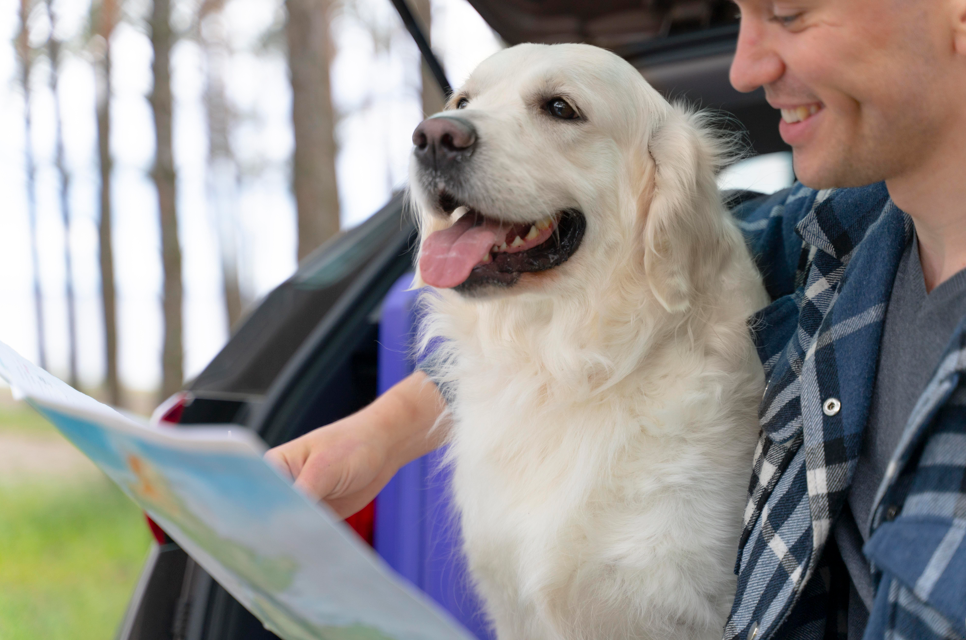
As international travel resumes, many Hong Kong pet owners are planning to travel or emigrate with their pets. However, traveling with a pet is no easy task, involving various international regulations, health checks, and complex procedures. Whether it’s a short trip or a long-haul flight, thorough preparation is key to ensuring a smooth and “zero-stress” journey for your pet. This article will focus on the preparation of “Pet Health Certificates” and provide a series of practical tips for boarding and coping.
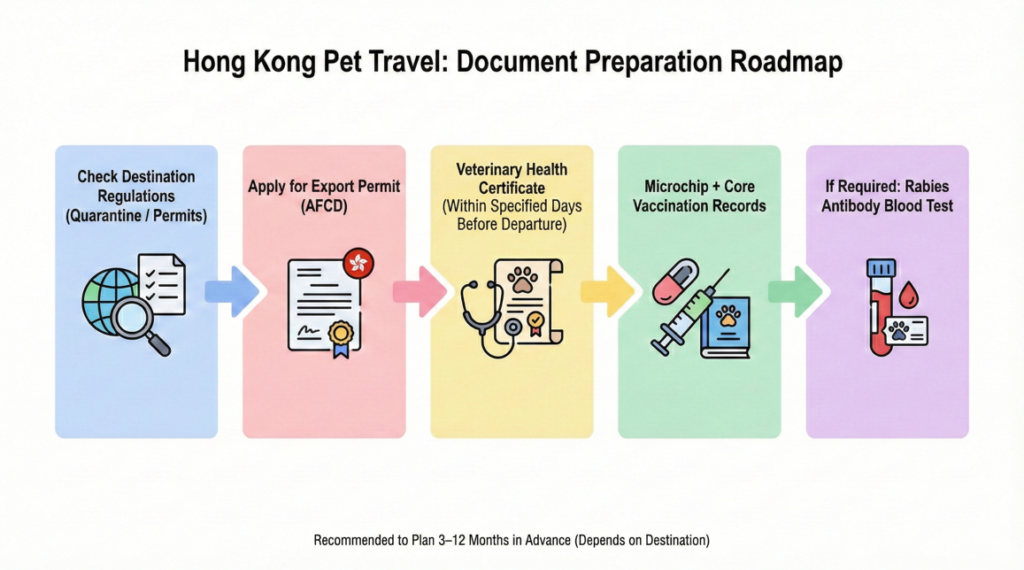
The First Step in Pet Travel: Health Certificates and Government Documents
The most critical part of successful pet travel is obtaining the health documents and permits required by the destination country.
1. Quarantine and Import Permits
- Destination Regulations: Every country or region has different quarantine rules, required documents, and isolation requirements for pets. Owners must check with the destination country’s animal quarantine department at least 3-12 months in advance.
- Hong Kong Export Permit: Before the pet leaves Hong Kong, the owner needs to apply for an Animal Export Permit from the Agriculture, Fisheries and Conservation Department (AFCD).
2. Veterinary Health Certificate
- Veterinary Examination: Destination countries usually require a Health Certificate issued by a registered veterinarian within a few days or weeks of departure. This document certifies that the pet is healthy and free of infectious diseases at the time of travel.
- Vaccines and Microchip: Most countries require pets to have a compliant microchip and be vaccinated against rabies and other core vaccines. The document must detail the vaccine batch number, vaccination date, etc..
- Blood Tests: Some countries (like Australia, New Zealand) require a blood antibody test to confirm the pet has sufficient immunity to rabies.
- Professional Tip: Because the documents have a short validity period and the process is complex, it is recommended to work with a veterinarian experienced in international travel or a professional pet relocation agency to ensure all paperwork is in order.
Zero-Stress Flight Tips: Crate and Adaptation Training
1. Choose a Compliant Travel Crate
- IATA Standards: The travel crate must meet the standards of the International Air Transport Association (IATA). The size must allow the pet to stand, turn around, and lie down comfortably.
- Crate Labels: Clearly label the crate with the pet’s information, your contact details, and a “Live Animal” sticker.
2. Crate Training and Desensitization
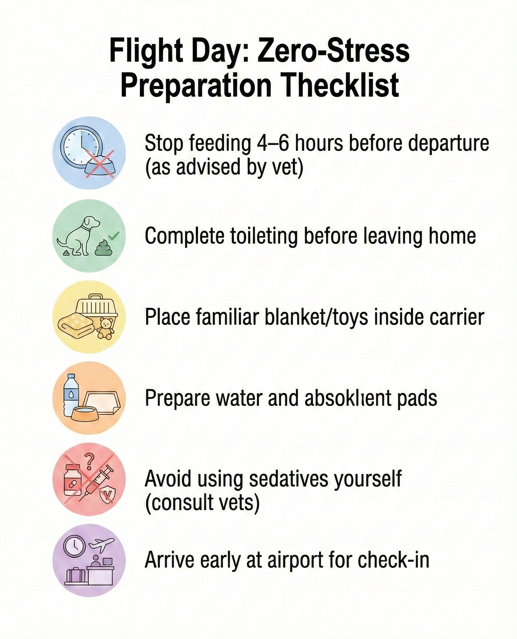
- Adapt in Advance: Weeks before departure, make the travel crate a normal resting place for your pet, placing familiar blankets and toys inside.
- Positive Association: Feed treats or meals inside the crate to help the pet associate the crate with positive experiences, reducing anxiety.
3. Preparation on the Day of the Flight
- Control Feeding: Stop feeding 4-6 hours before departure to prevent the pet from vomiting or feeling sick during the flight.
- Avoid Sedatives: Most veterinarians do not recommend using sedatives during flight, as they can affect the pet’s cardiovascular and respiratory functions, making it difficult for them to regulate their body temperature.
- Potty Break: Ensure your dog has ample time to relieve itself before heading to the airport.
Frequently Asked Questions (FAQ)
- Q: Can my pet sit in the cabin with me when we travel?
- A: Most airlines allow small pets (usually cats or small dogs) in the cabin as “carry-on baggage,” but there are strict weight and crate size restrictions. Large dogs must usually be checked into the cargo hold.
- Q: Does my pet need to be quarantined if we are emigrating?
- A: It depends on the destination country’s rabies risk status. Rabies-free countries like Australia and New Zealand often have long quarantine periods (weeks to months).
- Q: How long is a pet health certificate valid for?
- A: A health certificate is valid for a very short time, often within 10 days of being issued. You must strictly follow the destination country’s requirements and complete the check-up within the specified time.
- Q: Can my pet take motion sickness medication before the flight?
- A: This should only be done under veterinary guidance. Some pet motion sickness medications can relieve discomfort, but you should avoid using human medications.
- Q: What if my pet gets sick during quarantine?
- A: Pets in quarantine will be cared for by local veterinarians. Owners should ensure they have prepared a complete medical history in advance so that the local vet can provide immediate care in case of an emergency.
Want to apply for a pet health certificate or consult about a pre-travel health check?
Cityvet is committed to providing outstanding comprehensive veterinary medical services, upholding the core values of “professionalism, care, and trust.” We aim to offer reasonably priced services, utilize advanced equipment, and provide detailed explanations of various treatment methods to owners, ensuring comprehensive medical care for every pet. Please call the Tsuen Wan clinic at 2623 5500 or the Yuen Long clinic at 2477 9990. Addresses: G/F, 186 Sha Tsui Road, Tsuen Wan / G/F, Fuk Shun Building, 25 Ping Wai Street, Yuen Long.
Disclaimer: This article provides general information only and is not a substitute for professional medical diagnosis. If you have any concerns, please schedule a veterinary appointment as soon as possible.