

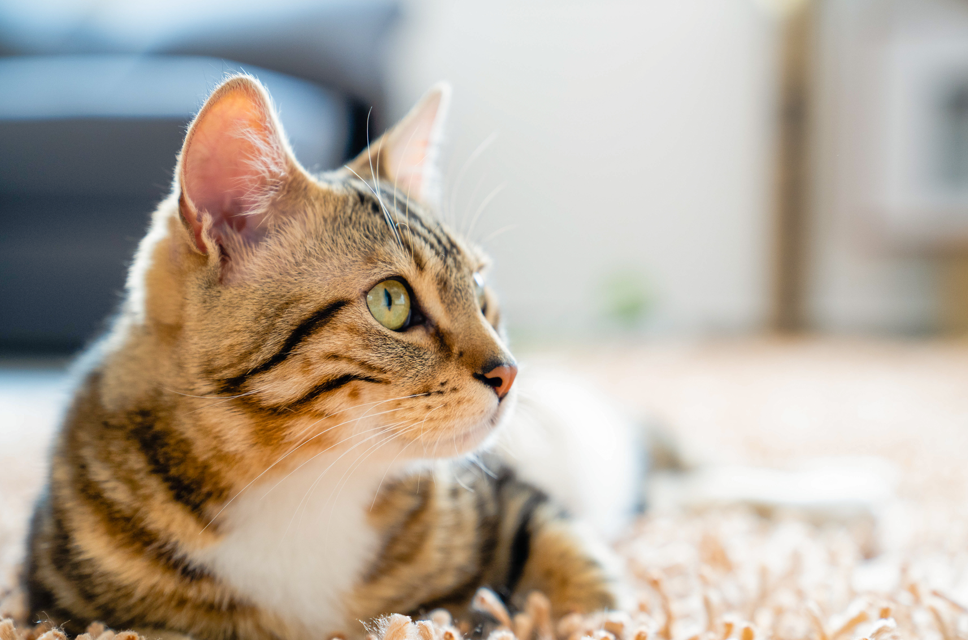
While enjoying warm moments with your beloved cat, providing comprehensive protection for their health is every owner’s primary responsibility. Vaccination is the most effective and fundamental method to prevent various fatal infectious diseases. This “Comprehensive Guide to Cat Vaccinations” will detail vaccine types, recommended schedules, and the costs and precautions Hong Kong owners care about most, helping you easily take the first step in guarding your cat’s health.
Why Vaccinate Your Cat? The principle of vaccination involves injecting treated viruses or bacteria (which have no pathogenic ability) into the body to stimulate the cat’s immune system to produce antibodies. If they unfortunately encounter the real pathogen later, the antibodies in their body can quickly identify and destroy it, thereby preventing illness.
Prevent Fatal Diseases Diseases such as Feline Panleukopenia, Feline Viral Rhinotracheitis, and Feline Calicivirus pose a huge threat to kittens and have a very high mortality rate. Vaccination can minimize the risk of infection and disease onset.
Establish Herd Immunity Even if your cat is an “indoor cat” that stays at home, you or other family members may unintentionally bring viruses home from the outside. Vaccinating the majority of cats in the community effectively reduces the chance of virus transmission, forming a protective net that safeguards the health of all cats.
Meeting Requirements for Pet Immigration or Boarding If you plan to immigrate with your cat or arrange for them to stay at a pet hotel while you travel, valid vaccination records are usually mandatory documents.
A Key Point Many Owners Overlook: The Golden Opportunity for an Annual Health Check Many owners ask: “Do long-term indoor cats, especially elderly ones, still need a shot every year?” Clinically, the significance of the “annual preventive shot” is sometimes not just about the needle itself, but about the fixed annual return visit, allowing a professional veterinarian to perform a complete check-up on the cat.
Because cats are experts at “hiding pain” and concealing discomfort, owners may not notice early warning signs. Through an annual check-up, vets may detect issues early, such as:
- Weight or Body Condition changes: Overweight, muscle loss, signs of dehydration.
- Ear problems: Abnormal earwax, otitis, scratching.
- Skin and Coat: Skin infections, allergies, parasites, hair loss.
- Oral and Dental: Tartar, periodontitis, bad breath, pain leading to reduced food intake.
- Heart and Lung Auscultation abnormalities: Cues like heart murmurs (requiring further assessment).
- Abdominal Palpation/Overall Mental State: Early detection of unusual lumps, pain, or signs of chronic illness.
In other words, for many cats, “getting a vaccination” is often the most natural trigger for scheduling an annual physical exam, helping to intervene before problems become serious.
Types of Cat Vaccines: Core vs. Non-Core Vaccines Cat vaccines are mainly divided into two categories: “Core” and “Non-Core.”
Core Vaccines: Essential for All Cats Core vaccines aim to prevent globally prevalent, highly transmissible, and fatal diseases. Regardless of the cat’s lifestyle, they should be vaccinated.
F3 (FVRCP) Vaccine Explained:
- FVR (Feline Viral Rhinotracheitis): Caused by feline herpesvirus, leading to severe upper respiratory infections with symptoms like sneezing, watery eyes, and fever.
- C (Calicivirus): Also causes respiratory problems and is likely to cause oral ulcers, causing cats to refuse food due to pain.
- P (Panleukopenia): Caused by feline parvovirus, highly contagious. It attacks bone marrow and the intestines, causing severe vomiting, diarrhea, and a sharp drop in white blood cells. It is particularly fatal to kittens.
Non-Core Vaccines: Chosen Based on Lifestyle Whether to administer non-core vaccines depends on the cat’s living environment and risk factors (e.g., do they go out? Do they have contact with other cats?).
- Feline Leukemia (FeLV) Vaccine: The FeLV virus suppresses the immune system, increasing the risk of cancer and various infections. It is mainly transmitted through close contact between cats (like grooming each other, sharing water bowls). Recommended for cats that go out or live with other cats.
- Feline Immunodeficiency Virus (FIV) Vaccine: Commonly known as Feline AIDS, primarily transmitted through bite wounds during fights. Recommended for cats that go out frequently and have a chance of fighting with other cats.
- Rabies Vaccine: Although Hong Kong is currently a rabies-free zone, the law requires cats and dogs imported from abroad to be vaccinated. If you plan to emigrate with your cat, you need to arrange this vaccination in advance.
Hong Kong Cat Vaccination Schedule (Kittens and Adults)
Kitten Vaccination Process Kittens receive antibodies from their mother’s milk in the early stages, but these antibodies fade over time. Therefore, a complete vaccination schedule must be established.
- 1st Shot: Usually administered at 8 weeks old (1st dose of F3 core vaccine).
- 2nd Shot: Administered at 12 weeks old (2nd dose of F3 core vaccine +/- FeLV vaccine).
- 3rd Shot: Administered at 16 weeks old or older (Final dose of F3 core vaccine +/- FeLV vaccine). Only after completing the entire kitten vaccine series is the cat’s immunity considered firmly established.
Adult Cat Booster Recommendations
- First Booster: A booster shot should be given one year after completing the kitten series.
- Subsequent Boosters: Thereafter, based on the cat’s risk assessment, the veterinarian will recommend a booster every one to three years to maintain sufficient protection.
Precautions Before and After Vaccination
Before Vaccination: Ensure Good Health Cats can only generate the best immune response to vaccines when they are fully healthy. Before the appointment, the vet will perform a detailed physical examination to ensure there is no fever, loss of appetite, or other underlying diseases.
After Vaccination: Common Side Effects and Observation After vaccination, cats may experience some brief and mild side effects, which are signs of a normal immune system response:
- Mild fever
- Slightly reduced energy or appetite
- Mild swelling or pain at the injection site These symptoms usually resolve on their own within 24-48 hours. If severe reactions occur, such as persistent vomiting, difficulty breathing, or facial swelling, this indicates an allergic reaction, and you must contact the vet immediately.
Common Myths About Cat Vaccines
- “The vaccine will make my cat sick”: Vaccines use inactivated viruses and will not cause the disease they prevent. Mild side effects are a normal immune response.
- “One shot provides lifetime immunity”: The protection provided by vaccines declines over time, so boosters are needed periodically to maintain it.
- “Indoor or old cats don’t need vaccines”: Even with lower lifestyle risks, regular return visits are crucial; many diseases are hidden in the early stages, and annual checks help detect abnormalities early.
Frequently Asked Questions (FAQ)
Q: What is the difference between F3, F4, and F5 vaccines?
The F3 vaccine prevents Panleukopenia, Rhinotracheitis, and Calicivirus. The F4 vaccine adds protection against Chlamydia on top of F3. The F5 vaccine adds protection against Feline Leukemia (FeLV). The vet will recommend the most suitable vaccine type based on your cat’s specific situation and risks.
Q: Do indoor cats (who always stay home) still need vaccines?
Absolutely! Owners can bring viruses home on their shoes or clothes, posing a threat to unprotected indoor cats. Therefore, all cats should receive the basic core vaccines (F3). Additionally, even if a vaccine booster isn’t needed every single year, it is recommended to return at least once a year: this allows the vet to perform a physical exam to detect body condition changes, ear/skin infections, oral issues, or even heart/lung abnormalities that owners might miss.
Q: What if I missed the vaccination time?
Please contact your veterinarian as soon as possible. The vet will reschedule the most appropriate plan based on your cat’s age and past vaccination records to ensure they receive comprehensive protection.
Q: Do old cats still need annual boosters?
This depends on the cat’s health status and lifestyle. As cats age, their immune systems may weaken. The vet will perform a risk assessment or suggest a Titer Test (antibody level test) to decide if a booster is necessary. The key point is: Senior cats need “Annual Health Checks” even more—even if a shot isn’t needed that time, the annual visit helps detect chronic diseases or hidden problems (like weight changes, dental issues, skin/ear infections, heart murmurs, etc.) early.
Take Action Now to Build a Safety Net for Your Cat’s Health Cityvet is committed to providing outstanding comprehensive veterinary medical services, upholding the core values of “Professionalism, Care, and Trust.” We aim to offer reasonable charges, utilize advanced equipment, and provide detailed explanations of various treatment methods to owners, ensuring comprehensive medical care for every pet.
Want to book a cat vaccination? Please call the Tsuen Wan clinic at 2623 5500 or the Yuen Long clinic at 2477 9990. Address: G/F, 186 Sha Tsui Road, Tsuen Wan / Shop 2, G/F, Fuk Shun Building, 25 Ping Wui Street, Yuen Long.
Disclaimer: This article provides general information only and is not a substitute for professional medical diagnosis. If you have any concerns, please schedule a veterinary appointment as soon as possible.