

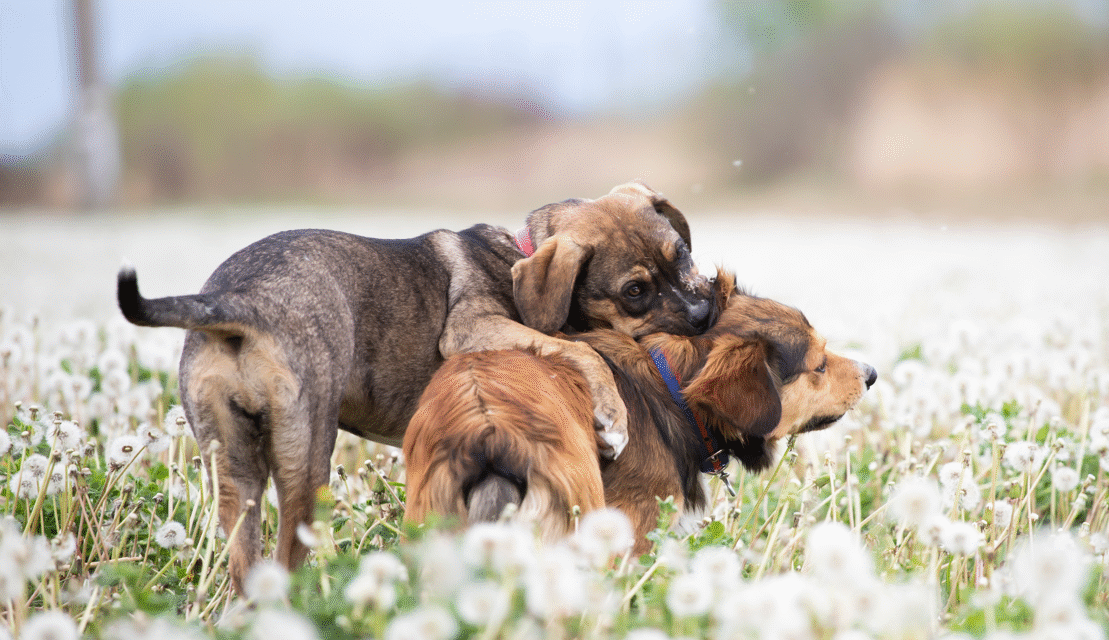
Why You Must Take Dog Fights Seriously
Fights often happen in a matter of seconds. Small dogs face a higher risk of injury when confronted by large dogs. Bite wounds are puncture wounds, often introducing oral bacteria directly into deep tissue, which can lead to complications such as cellulitis and abscesses. The sooner the wound is treated, the better the prognosis.
Hong Kong Leashing and Safety Recommendations (Legal Focus)
The law requires that all dogs in a public place must be held on a leash or otherwise kept under proper control. Additionally, in a public place (excluding country parks), dogs weighing 20kg or more must be securely held on a leash no more than 2 meters long. Any person who contravenes the regulation may be liable to a penalty.
Stricter requirements may apply to different categories of dogs. Please familiarize yourself with and comply with these requirements before going out.
Prevention Before a Fight
- Leash at All Times: Shorten the leash in crowded areas, lift lobbies, and outside shopping malls to create a buffer.
- Read Body Language: Persistent staring, raised hackles, growling, and a rigid stance are risk signals, and you should immediately increase the distance.
- Avoid High-Risk Scenarios: Narrow alleys, areas near food bowls, and competition for toys and treats.
How to Safely Separate Dogs if a Fight Occurs
First, protect yourself. Do not attempt to grab the dogs’ mouths or reach your hands between the two dogs. You can try using an obstacle, a loud noise, or a jet of water to distract them. Only consider the “wheelbarrow method” for separation if the circumstances allow and there are two adults present. After separation, pull the dogs away from each other’s line of sight. Immediately conduct a thorough check for injuries.
Wheelbarrow Method
When two dogs are fighting and cannot be safely separated by sound or obstacles, two adults should each grab their own dog’s hind legs from the back and lift the hindquarters like a wheelbarrow. Walk backward to pull the dogs apart. This forces the dogs to use their front legs for balance, making it harder for them to turn around and bite again. This method is a last resort and still carries risks.
- Two people simultaneously approach their respective dogs from the rear.
- Grab and lift the hind legs (like a wheelbarrow) and walk backward to pull the two dogs apart.
- After separation, continue to walk backward in an arc to prevent the dogs from turning back to attack.
- Immediately take the two dogs to different spaces.
Safety Tips
- Only use this method when two adults are present; do not attempt it alone.
- Approach from the rear, do not grab the collar, and do not put your hands between the two dogs to avoid being bitten.
- Prioritize prevention and intervention: Read the dogs’ body language early, use an obstacle or loud noise to distract them first, and only consider the wheelbarrow method if necessary.
Why are Bite Wounds Prone to Infection? How Soon is Veterinary Attention Needed?
Bite wounds often carry bacteria from the animal’s mouth (such as Pasteurella, Streptococcus, anaerobic bacteria, and the less common but serious Capnocytophaga) into the subcutaneous and muscle layers, making infection or abscess formation very likely. It is advisable to seek veterinary attention as soon as possible for irrigation, debridement, and assessment of the need for imaging and antibiotics.
When is it an Emergency?
Rapid or labored breathing, pale/bluish mucous membranes, vomiting or abdominal bloating, inability to stand, wounds or severe pain in the chest or abdomen, or dullness. These may indicate chest or abdominal injuries (such as pneumothorax, internal bleeding, or diaphragmatic rupture). Immediate emergency assessment is required.
Imaging and Management (Veterinary Procedure)
- X-ray/Ultrasound/CT: To check the chest cavity for air or fluid, fractures, and organ displacement.
- Hospitalization, Pain Management, and IV Fluids: To stabilize vital signs.
- Surgery: If a diaphragmatic hernia is confirmed (abdominal organs entering the chest cavity), surgical repair is usually required after stabilization.
Real Case Study
- Incident: A small dog and a large dog were playing during a walk in the park; the large dog suddenly switched from playing to attacking the small dog, biting and shaking it.
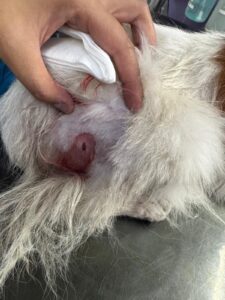
- Signs: Wounds were visible on both thighs, which looked like superficial skin injuries.
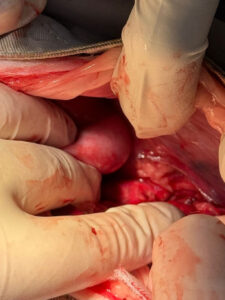
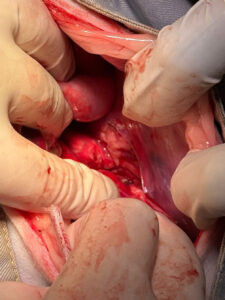
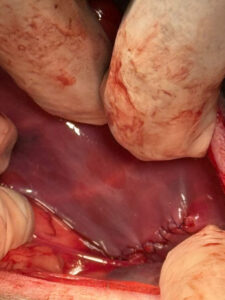
- Veterinary Treatment: Upon admission, imaging assessment revealed the kidney was ectopically displaced to a subcutaneous position. The dog’s vital signs were stabilized immediately, and surgery was performed the next day to reposition the kidney. Fortunately, the doctor discovered two perforations in the diaphragm during the surgery and immediately sutured and repaired them. The dog was monitored post-operation and remained stable.
- Key Takeaway: Early veterinary intervention, imaging, and surgery are crucial. Being bitten and shaken creates a strong shearing force, and small external wounds do not mean there is no internal injury. A comprehensive imaging and internal injury assessment must be performed as soon as possible.
Home Care and Recovery
- Administer medication and perform wound care as instructed.
- Restrict activity.
- Monitor breathing, appetite, and energy levels.
- Attend follow-up appointments for imaging and wound checks.
- Always keep the dog leashed when going out in the future, shorten the leash in narrow or crowded areas, and avoid close contact with unfamiliar dogs.
FAQ
- My dog’s bite wound looks small, do I still need to see a vet?
Even if you only see a small puncture wound, you should see a vet as soon as possible. Canine puncture wounds easily carry mouth bacteria deep into the tissue, and a delay in treatment can easily lead to an abscess or cellulitis. - Can I clean the wound with disinfectant myself?
It is not recommended. Deep wounds must be assessed by a vet for debridement and the need for antibiotics. - Can I separate fighting dogs with my bare hands?
Do not. You can use an obstacle, noise, or water jet; if necessary, the “wheelbarrow” method can be used by two adults, but it still carries risks. - Do I need to worry about “Rabies”? What follow-up is necessary?
Hong Kong has maintained zero confirmed cases of animal rabies since 1987. However, the law requires that dogs over 5 months old must be vaccinated against rabies, microchipped, and licensed, and the license must be renewed with a booster shot every 3 years. After a dog fight, it is advisable to confirm whether both dogs’ licenses/vaccinations are valid.
Cityvet Dog Consultation
Cityvet is committed to providing outstanding comprehensive veterinary medical services, upholding the core values of “professionalism, care, and trust.” We aim to offer reasonably priced services, utilize advanced equipment, and provide detailed explanations of various treatment methods to owners, ensuring comprehensive medical care for every pet. Please call the Tsuen Wan clinic at 2623 5500 or the Yuen Long clinic at 2477 9990. Addresses: G/F, 186 Sha Tsui Road, Tsuen Wan / G/F, Fuk Shun Building, 25 Ping Wai Street, Yuen Long.
Disclaimer: This article provides general information only and is not a substitute for professional medical diagnosis. If you have any concerns, please schedule a veterinary appointment as soon as possible.