Common Behavioral Problems and Causes
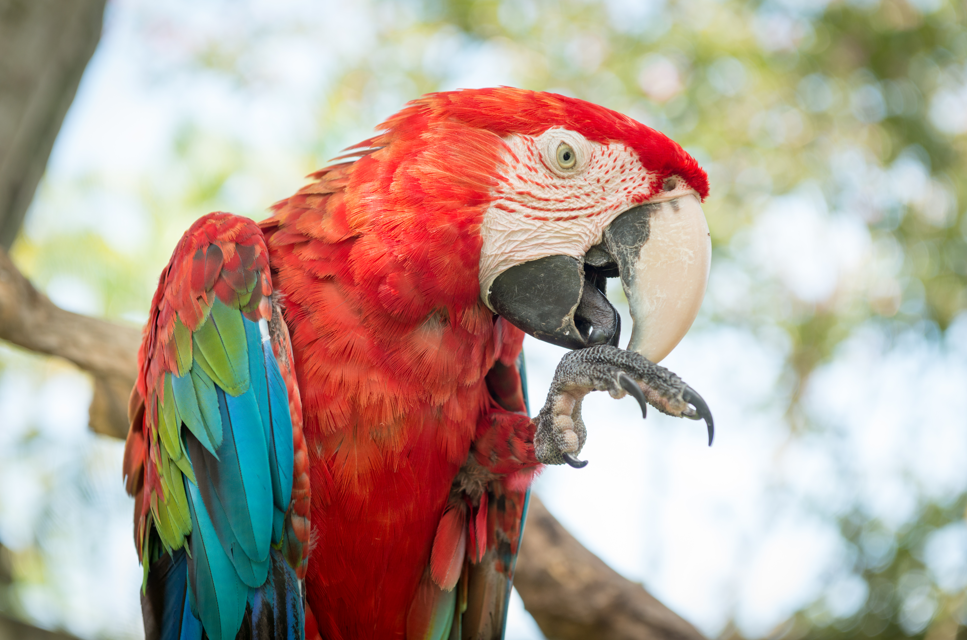
Parrots are highly intelligent birds, and if their environment or nutrition is inappropriate, they can easily develop behavioral problems. According to the American Animal Hospital Association guidelines, it is recommended that all pets have at least an annual check-up to help with the early detection of nutritional imbalances or hidden diseases.
Feather Plucking and Self-Mutilation
Parrots often pluck their feathers due to boredom, stress, or nutritional imbalances. A monotonous environment, lack of interaction, and a deficiency in fatty acids or trace elements can all be triggers. Feather plucking can easily lead to skin damage or infection and requires both medical and behavioral intervention.
Excessive Screaming and Aggression
Long-term screaming may be an attempt to get attention, a lack of stimulation, or a physical ailment. Aggression may be caused by fear, hormonal fluctuations, or territorial defense.
Nutritional Imbalances and Health Problems
An unbalanced diet can lead to obesity, liver disease, calcium deficiency, and a weakened immune system. During a health check, a veterinarian will assess the pet’s weight, nutritional status, and parasite control. A parrot’s main diet should be a formulated pellet, supplemented with an appropriate amount of vegetables, fruits, and nuts. Avoid feeding only sunflower seeds for a long time.
When to Seek Medical Attention and Training Solutions
You should consult a veterinarian if your parrot is feather plucking, screaming without cause, or shows changes in appetite or weight, abnormal feces, or deformed beaks or nails. The veterinarian will check the physical condition and rule out internal medical causes. If the behavioral problem is psychological, you can seek help from a certified avian behavior consultant and use positive reinforcement, provide more enrichment toys, and change how you interact with your pet.
Clinic Procedures
The clinic procedure includes a consultation (about diet, environment, and behavioral history), a physical examination (weight, beak, nails, feathers, and auscultation), and necessary blood tests, fecal tests, and imaging. Treatment may include nutritional adjustments, behavioral interventions, beak and nail trims, medication, and parasite prevention.
Daily Care and Environmental Enrichment
- Nutritional Management: Choose a balanced formulated pellet as the main diet, supplemented with vegetables and a small amount of fruit. Nuts can be used as training rewards.
- Behavioral Stimulation: Provide daily interaction, rotate toys, and offer training, along with perches of different sizes.
- Environmental Safety: Avoid kitchen fumes, smoke, and air fresheners. Keep the cage away from air conditioner vents.
- Health Monitoring: Regularly weigh your parrot, observe its feces, and record behavioral changes.
- Regular Check-ups: Have a health check at least once a year to detect diseases early.
Frequently Asked Questions (FAQ)
- What should I do if my parrot is feather plucking?
First, rule out any health problems, then adjust its nutrition and environment. You can also consult with a behavioral expert. - What happens if I feed my parrot sunflower seeds for a long time?
It can easily lead to obesity and malnutrition. The main diet should be formulated pellets. - Why does my parrot keep screaming?
It could be boredom, a desire for attention, or a physical ailment, so you should evaluate its environment and health. - Can I trim my parrot’s beak and nails at home?
It is not recommended. Beak and nail trims should be performed by a professional veterinarian or trainer to avoid injury. - Do parrots need to be bathed?
You can use a spray or shower to clean their feathers, and make sure the room is warm and free of drafts.
Cityvet Parrot Clinic
Cityvet is committed to providing outstanding comprehensive veterinary medical services, upholding the core values of “professionalism, care, and trust”. We aim to offer reasonably priced services, utilize advanced equipment, and provide detailed explanations of various treatment methods to owners, ensuring comprehensive medical care for every pet.
To book a parrot clinic appointment, please call the Tsuen Wan clinic at 2623 5500 or the Yuen Long clinic at 2477 9990. Our addresses are: G/F, 186 Sha Tsui Road, Tsuen Wan / G/F, Fuk Shun Building, 25 Ping Wai Street, Yuen Long.
Disclaimer: This article provides general information only and is not a substitute for professional medical diagnosis. If you have any concerns, please schedule a veterinary appointment as soon as possible.