
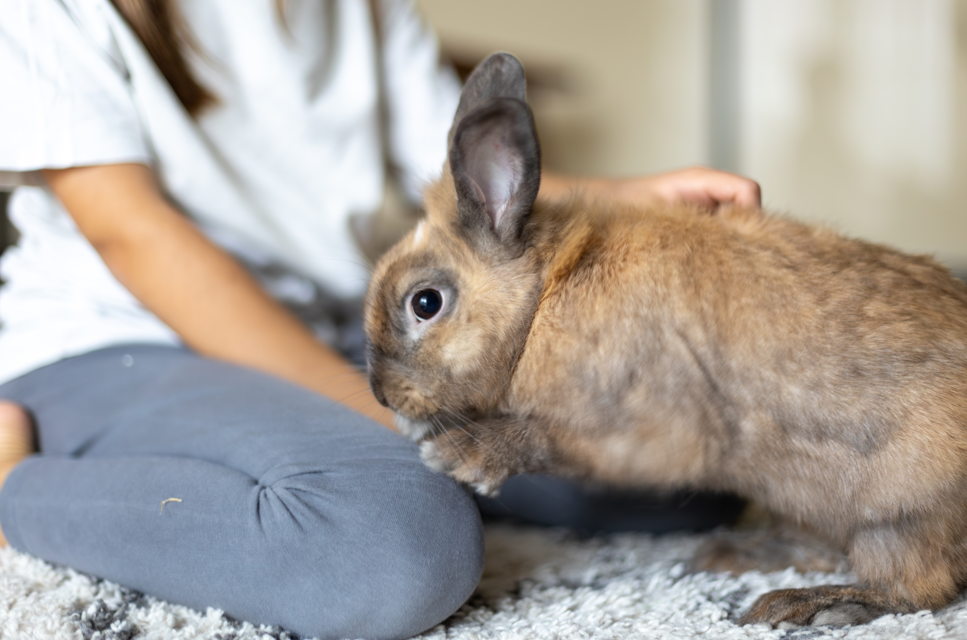
Rabbits are cute and gentle, making them one of the most popular pets in Hong Kong. But for many new owners, the biggest worry is not being able to detect their rabbit’s health problems in time. Unlike cats and dogs, rabbits are natural “masters of disguise.” Even if they are very sick, they may act as if nothing is wrong. This article will provide a detailed breakdown of how to tell if your rabbit is sick and when to seek professional veterinary help immediately.
Why Are Rabbits “Experts at Hiding Illness”?
The Instinct of Prey In the wild, rabbits are the targets of many predators. Any behavior that shows weakness or signs of illness can make them an easy target. Therefore, they have evolved the instinct to hide pain and discomfort to protect themselves. This nature persists even in domesticated rabbits. Often, by the time an owner notices obvious symptoms, the rabbit’s condition may have already progressed to a more serious stage.
The Top 10 Warning Signs of a Sick Rabbit (Must-Read for New Owners)
As a responsible owner, careful daily observation is key to protecting your rabbit’s health. Here are common warning signs that you should be highly alert to:
- Changes in Eating and Drinking Habits A healthy rabbit has a good appetite, especially for hay. If your rabbit suddenly refuses to eat, eats much less, or only picks at high-calorie treats while completely ignoring hay, this is a very dangerous sign.
- Abnormal Feces (Smaller Feces, No Feces, or Diarrhea) The size and shape of a rabbit’s feces are a barometer of its health. Healthy feces should be round and uniform in size. If the feces are smaller, misshapen, tangled with fur, or if the rabbit hasn’t defecated for more than 12 hours, it could signal a serious gastrointestinal problem.
- Lethargy and Decreased Activity While rabbits are mostly quiet, they are curious explorers during their active periods. If your rabbit is constantly huddled in a corner and has lost interest in its usual toys or activities, you should pay close attention.
- Abnormal Breathing (Rapid or Noisy Breathing) Breathing through the nose is a rabbit’s natural habit. If you notice it is breathing through its mouth, making “gurgling” or “clicking” sounds when it breathes, or has nasal discharge, these could be signs of a respiratory infection.
- Dental Problems (Drooling, Teeth Grinding) A rabbit’s teeth grow continuously. Overgrown or misaligned teeth can cause mouth pain. Symptoms include: wet fur on the chin or front paws (from drooling), louder and more frequent teeth grinding, and difficulty eating.
- Poor Grooming and Coat Condition Rabbits are very clean animals. If they stop grooming themselves, leading to matted or dirty fur, or if they have unusual hair loss, these could be warning signs of a health problem.
- Lumps or Wounds on the Body Regularly gently pet your rabbit and check its body, limbs, and face for any unknown lumps, abscesses, or wounds.
- Head Tilt or Loss of Balance Vestibular disease, commonly known as “wry neck,” can cause a rabbit’s head to tilt continuously to one side, lose its balance, or even roll over. This requires immediate veterinary attention.
- Difficulty Urinating or Abnormal Urine Color Pay attention to whether your rabbit shows any signs of pain when urinating, or if its urine contains blood, is dark brown, or has a sticky texture. This could be related to bladder or kidney problems.
- Unexplained Weight Loss Regularly weighing your rabbit is a good habit. Unexplained weight loss is usually a direct reflection of an underlying health problem.
Common Health Problems in Hong Kong Rabbits
- GI Stasis: This is the most common and dangerous emergency for rabbits. Pain, stress, or an improper diet can cause the intestines to slow down or stop moving. If not treated promptly, it can be fatal within 24-48 hours.
- Overgrown Teeth and Malocclusion: This is mainly caused by genetics or a diet lacking sufficient hay. Overgrown teeth can stab the mouth, causing infection and pain.
- Pasteurellosis: Similar to a human cold, it can cause symptoms like sneezing and a runny nose, but it can develop into more serious pneumonia or middle ear infections.
- Skin Problems: Hong Kong’s humid weather makes rabbits prone to skin diseases like mites, lice, or fungal infections (ringworm), leading to itching, hair loss, and red, swollen skin.
Found Something Wrong With Your Rabbit? A Checklist Before You Go to the Vet
- Call the clinic immediately: Call ahead to make an appointment and clearly explain your rabbit’s symptoms and condition so the veterinary team has a preliminary understanding.
- Use a sturdy carrier: Make sure the carrier is well-ventilated and safe. Line the bottom with a soft pad to prevent slipping.
- Record detailed information: Write down your rabbit’s eating habits, defecation, and when the symptoms started and changed.
- Collect a fecal sample: If there is diarrhea or abnormal feces, you can bring a fresh sample for the vet to test.
- Stay calm: Your emotions can affect your rabbit. Try to remain calm and provide it with a quiet environment.
Cityvet’s Rabbit Consultation Process
At Cityvet, our team will first conduct a detailed consultation to understand your rabbit’s medical history and living habits. Then, a veterinarian will perform a comprehensive physical exam, including palpation, auscultation, and an examination of the teeth and eyes. Based on the preliminary assessment, we may recommend further diagnostics such as X-rays or blood tests to find the cause of the illness. Once we have enough information, we will explain the condition to you in detail, discuss all possible treatment plans and related costs, and work with you to create the most suitable treatment plan for your beloved rabbit.
Frequently Asked Questions (FAQ)
- Do rabbits need vaccines?
There are currently no laws in Hong Kong that mandate rabbit vaccinations. The main diseases to prevent, Rabbit Hemorrhagic Disease Virus (RHDV) and myxomatosis, are not common in Hong Kong. However, if you plan to emigrate or travel with your rabbit, they may be required. You can consult with our veterinary team for more details. - Does a rabbit need to be spayed or neutered? What are the benefits?
We highly recommend spaying or neutering your rabbit. Female rabbits have an extremely high risk of uterine-related diseases (such as uterine cancer), and spaying can effectively prevent them. Neutering male rabbits can reduce behavioral problems like aggression and urine spraying. - How do I choose the right veterinary clinic for my rabbit?
It is very important to choose a veterinarian with a deep understanding of and experience with rabbits, as a rabbit’s physiology and medication contraindications are very different from those of cats and dogs. You can check if the clinic has a veterinarian who specializes in exotic pets. - If my rabbit suddenly stops eating in the middle of the night, what should I do?
A rabbit that hasn’t eaten for more than 12 hours is an emergency. You should immediately contact a nearby 24-hour veterinary clinic. At home, you can try to offer its favorite food and make sure the environment is quiet and comfortable, but do not force-feed it. Seek professional help as soon as possible.
Act Now to Protect Your Beloved Rabbit’s Health
Cityvet is committed to providing outstanding comprehensive veterinary medical services, upholding the core values of “professionalism, care, and trust.” We aim to offer reasonably priced services, utilize advanced equipment, and provide detailed explanations of various treatment methods to owners, ensuring comprehensive medical care for every pet.
To book a rabbit consultation, please call the Tsuen Wan clinic at 2623 5500 or the Yuen Long clinic at 2477 9990. Addresses: G/F, 186 Sha Tsui Road, Tsuen Wan / G/F, Fuk Shun Building, 25 Ping Wai Street, Yuen Long.
Disclaimer: This article provides general information only and is not a substitute for professional medical diagnosis. If you have any concerns, please schedule a veterinary appointment as soon as possible.