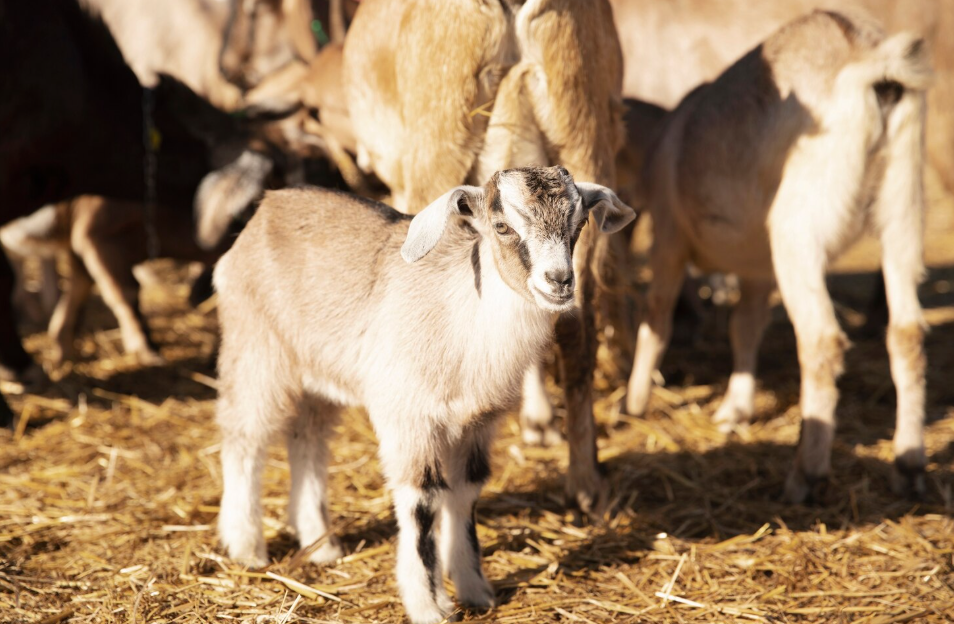
In Hong Kong, ruminants such as pygmy goats are commonly kept on farms, in education centres, or by households with private gardens. Because of their unique four-compartment stomach structure, gastrointestinal health directly affects their immunity.
The Rumen: The Fermentation Plant of Ruminants
Many of the most common emergencies in ruminants are related to the rumen. The microbial population inside the rumen is very delicate, and any sudden dietary change, such as too much concentrate feed or excessive sweets, can cause abnormal fermentation.
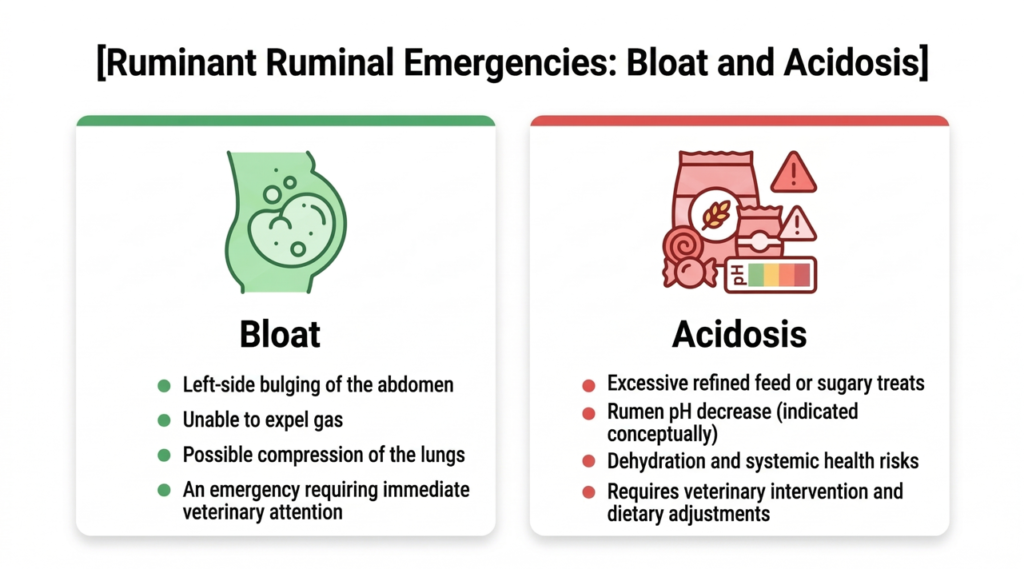
- Bloat: Gas accumulates in the stomach and cannot be expelled, causing obvious swelling on the left side of the abdomen. This may compress the lungs and lead to suffocation.
- Acidosis: Excess intake of rapidly fermentable carbohydrates lowers rumen pH and can lead to dehydration or even death.
Respiratory Disease: More Than Just a Cold
Hong Kong summers are hot and humid, while winter brings seasonal influenza risk. If a ruminant develops coughing, nasal discharge, or rapid breathing, pneumonia caused by Pasteurella may be a possibility. Early detection is crucial for improving recovery rates.
Parasite Control: The Invisible Killer
Parasites reproduce very quickly on Hong Kong’s damp grasslands.
- Barber’s pole worm: This parasite feeds on blood and can cause severe anaemia, which may be seen as pale eyelid mucous membranes, as well as bottle jaw, or swelling under the jaw.
- Preventive measures: Regular faecal egg count testing should be performed, and a veterinarian should design a deworming plan based on the level of infection to help avoid drug resistance.
Daily Care Recommendations
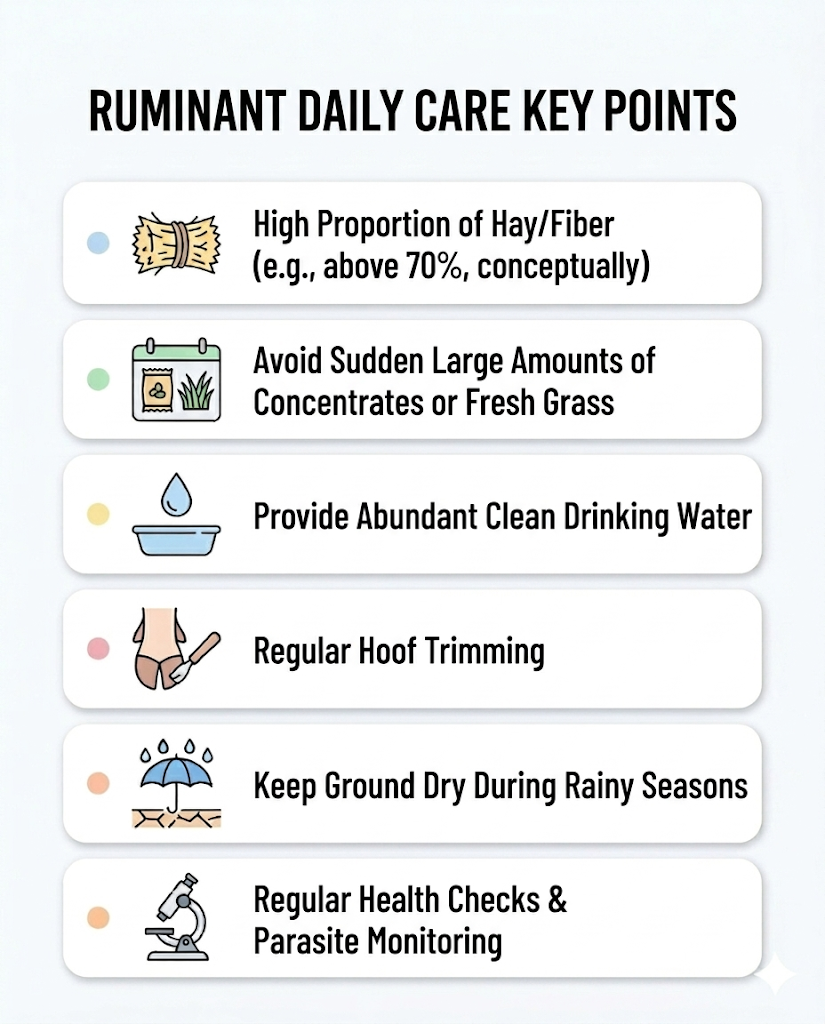
A stable source of fibre, such as hay, should make up more than 70% of the diet. Provide plenty of clean water, and trim the hooves regularly to help prevent foot rot, reduced mobility, and secondary infection.
FAQ
Q: My sheep’s jaw is swollen. Is it inflammation?
- A: If the swelling is beneath the jaw and feels soft, it may be protein-loss oedema caused by a severe parasitic infection. Seek veterinary care immediately.
- Q: How can I prevent bloat?
- A: Avoid suddenly feeding large amounts of lush grass or concentrate feed, and make sure there is enough good-quality hay in the diet.
- Q: Do ruminants need regular hoof trimming?
- A: Yes. Overgrown hooves can trap dirt and moisture, leading to foot rot, which is especially common during Hong Kong’s humid seasons.
- Q: Why has my pet sheep stopped chewing the cud?
- A: Stopping rumination is a serious warning sign of gastrointestinal stasis and may be associated with acidosis or feed impaction.
- Q: Where can I find a professional ruminant vet?
- A: CityVet provides professional diagnostic services for exotic pets and ruminants, with advanced equipment available to arrange investigations as needed.
CityVet Ruminant Clinic
CityVet is committed to providing outstanding comprehensive veterinary care, guided by the core values of professionalism, compassion, and trust. We aim to offer reasonable fees, introduce advanced equipment, and explain treatment options clearly to pet owners, so that every pet receives full medical support.
Please call our Tsuen Wan branch at 2623 5500 or our Yuen Long branch at 2477 9990. Address: G/F, 186 Sha Tsui Road, Tsuen Wan / Shop 2, G/F, Fuk Shun Building, 25 Ping Wui Street, Yuen Long.
Disclaimer: This article is for general information only and does not replace professional medical diagnosis.