
Why Senior Pets Need Regular Check-ups More
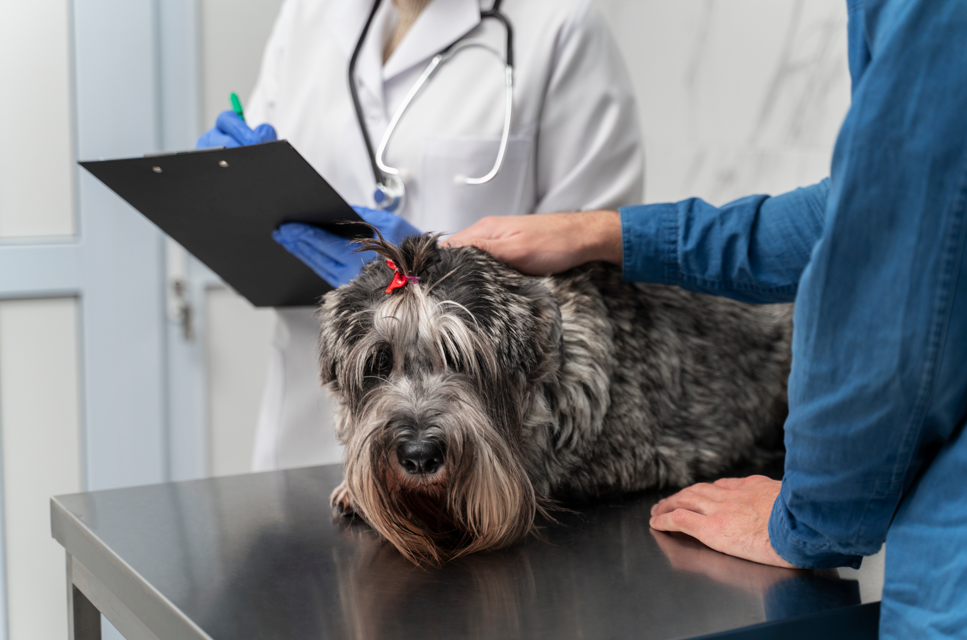
Once dogs and cats enter their senior years (generally around 7–10 years old), their organ reserves decrease, and the risk of chronic disease increases. Regular check-ups allow for early intervention while symptoms are still mild, adjusting nutrition, medication, or lifestyle to catch the “golden window for intervention”.
12 Early Warning Signs for Senior Pets You Shouldn’t Ignore
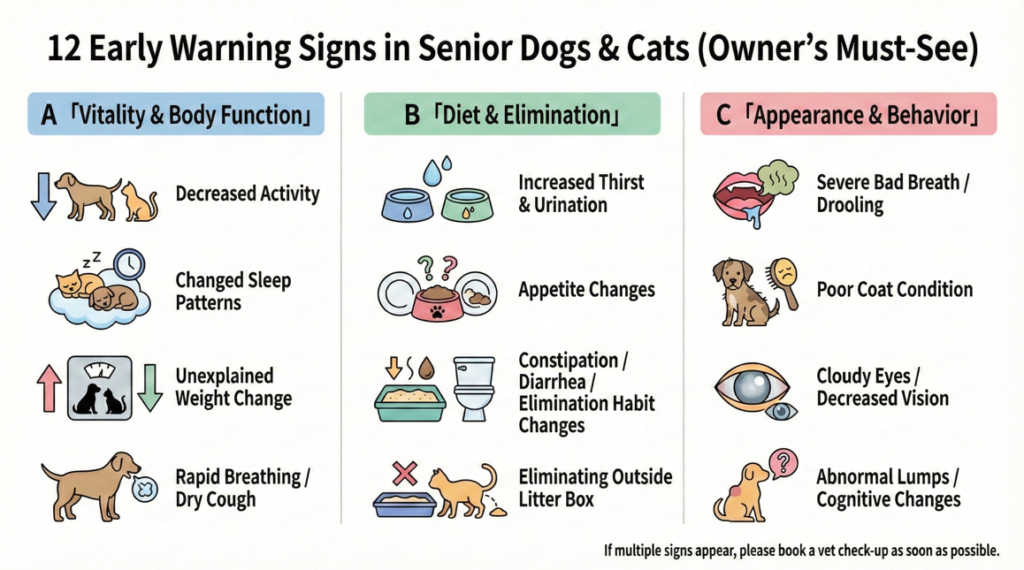
The following are 12 health warning signs that owners should pay special attention to as their pets enter old age:
Changes in Physical Function and Vitality
- Decreased Activity: Used to love running and jumping, but now seems lazy, unwilling to climb stairs or jump on the sofa. This might suggest joint pain or heart problems.
- Changes in Sleep Patterns: Restless and anxious at night, or sleeping excessively during the day.
- Unexplained Weight Gain or Loss: Weight gain might be related to endocrine issues or reduced mobility ; weight loss could be a sign of kidney disease, diabetes, or cancer.
- Abnormal Breathing or Coughing: Rapid breathing at rest, or a persistent dry cough, which raises suspicion of heart or lung problems.
Abnormal Eating and Elimination
- Increased Drinking and Urination (PU/PD): This is one of the most common early symptoms of diabetes or declining kidney function.
- Changes in Appetite: A sudden increase in appetite (possibly diabetes) or a persistent decrease (possibly dental pain, kidney disease, or digestive issues).
- Difficulty with Elimination or Changes in Habits: Constipation, diarrhea, or a cat eliminating outside the litter box.
Changes in Appearance and Behavior
- Severe Bad Breath or Drooling: Could be a sign of severe periodontal disease, an oral tumor, or toxin buildup from kidney disease.
- Poor Coat Condition: Fur becomes coarse, messy, loses its shine, or there is abnormal hair loss.
- Cloudy Eyes or Vision Loss: May be a sign of cataracts or glaucoma.
- Abnormal Lumps or Growths: New or rapidly growing lumps on the body.
- Cognitive and Behavioral Changes: Showing disorientation, forgetfulness, or nighttime barking, which could be signs of cognitive dysfunction (like dementia).
Key Items for a Senior Pet Check-up
For senior pets, veterinarians usually recommend a more comprehensive pet check-up, including:
- Blood and Biochemistry Tests: To check blood cell counts, liver/kidney function, blood glucose, thyroid function, cortisol assessment etc..
- Urinalysis: To assess the kidneys’ ability to concentrate urine, an early indicator of kidney function decline.
- Blood Pressure Measurement: High blood pressure is a common problem in senior cats and dogs, closely related to heart and kidney disease.
- Cardiac and Abdominal Ultrasound/X-ray: To check heart size, structure, and for abnormalities in abdominal organs (like the liver, spleen, kidneys).
Home Care and When to Seek Immediate Help
- Maintain a high-quality diet and moderate exercise. Supplement with joint or gastrointestinal support formulas as directed by your vet.
- Observe water intake, urination, defecation, and mobility.
- If you observe rapid breathing, persistent vomiting, inability to walk, seizures, or sudden weakness, seek immediate veterinary care.
Frequently Asked Questions (FAQ)
- Q: At what age are dogs and cats considered “senior”?
- A: Cats and small dogs are typically senior after 7 years. Medium-sized dogs around 6 years, and giant breeds (like Great Danes) may enter their senior years around 5.
- Q: My dog is just walking slower. Is this normal aging?
- A: This is very likely a sign of arthritis or pain, not just simple aging. It is recommended to see a vet, as pain can be managed and relieved.
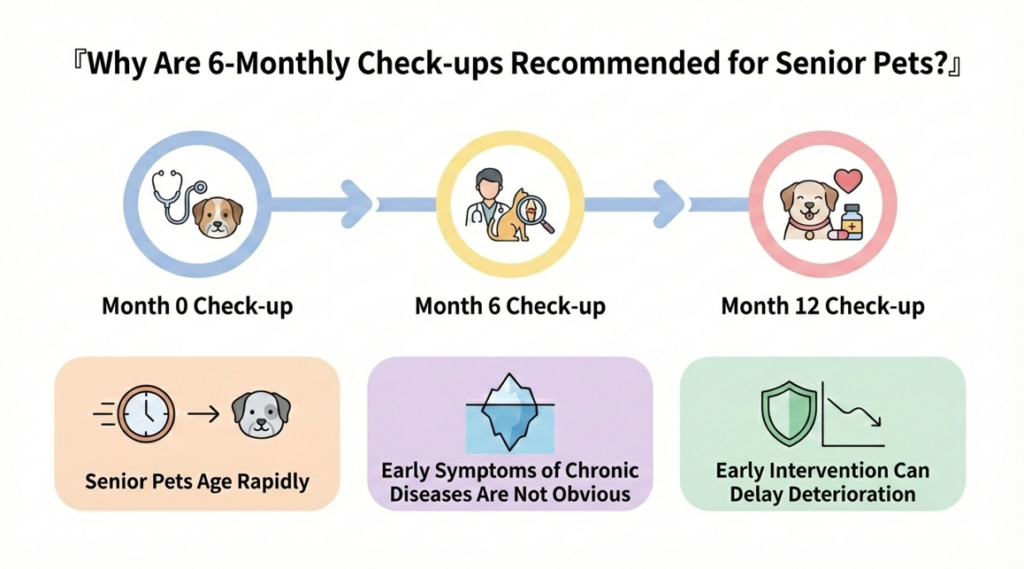
- Q: Why do senior pets need a check-up every six months?
- A: Dogs and cats age much faster than humans. A check-up every 6 months gives the vet a chance to find problems before they worsen, greatly increasing the success rate of treatment.
- Q: The check-up report shows a slightly high kidney index. What should I do?
- A: The vet will recommend further tests (like urine specific gravity, SDMA) to confirm the diagnosis. They will usually recommend switching to a renal prescription diet and regular monitoring to slow the disease’s progression.
- Q: How can I make check-ups easier for my senior cat?
- A: Before the visit, place your cat in a familiar carrier and cover it with a towel to reduce anxiety. Book an appointment during a quiet time at the clinic and inform them of your cat’s special needs.
Want to book a senior pet check-up?
Cityvet is committed to providing outstanding comprehensive veterinary medical services, upholding the core values of “professionalism, care, and trust.” We aim to offer reasonably priced services, utilize advanced equipment, and provide detailed explanations of various treatment methods to owners, ensuring comprehensive medical care for every pet. Please call the Tsuen Wan clinic at 2623 5500 or the Yuen Long clinic at 2477 9990. Addresses: G/F, 186 Sha Tsui Road, Tsuen Wan / G/F, Fuk Shun Building, 25 Ping Wai Street, Yuen Long.
Disclaimer: This article provides general information only and is not a substitute for professional medical diagnosis. If you have any concerns, please schedule a veterinary appointment as soon as possible.