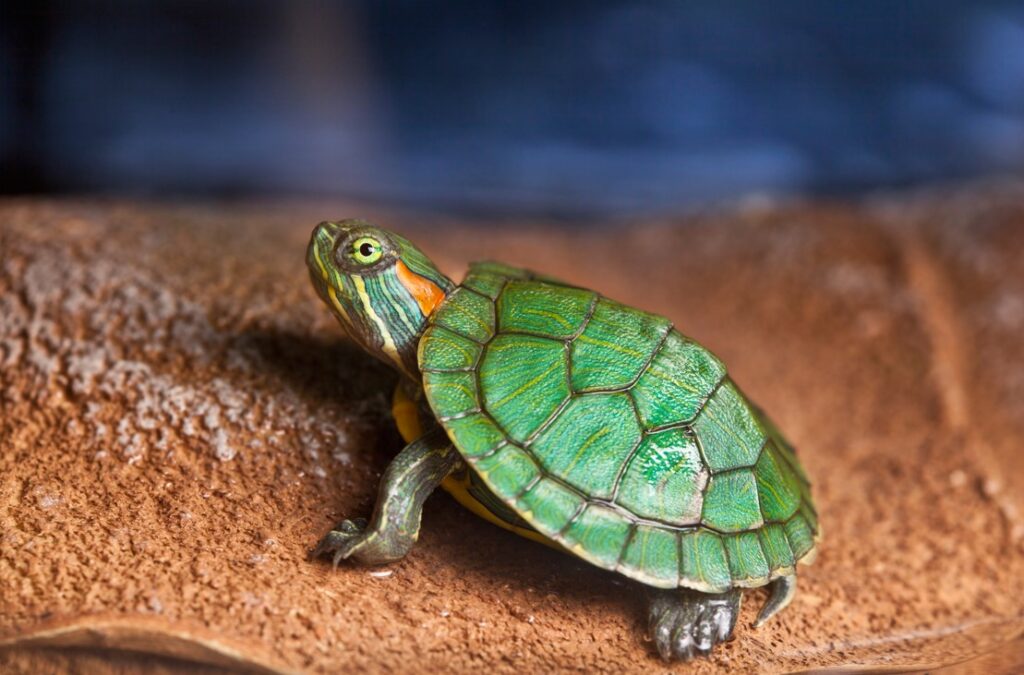





Turtle & Tortoise
Professional Turtle And Tortoise Veterinary Services
Even minor deviations in their habitat or nutritional structure can trigger chronic health issues or escalate into acute emergencies in a short period. If you observe signs such as loss of appetite, abnormal buoyancy (floating), nasal bubbles, open-mouth breathing, swollen eyes, a softening shell, or malodorous discharge, we recommend an immediate clinical assessment.
CITYVET offers professional exotic pet consultations to help owners identify underlying causes, formulate treatment plans, and provide specific environmental adjustment recommendations.
Does Your Turtle or Tortoise have any of these symptoms?
- Shell Discoloration, Softening, or Foul Odors: Often linked to shell infections (shell rot), prolonged dampness, or poor water quality management.
- Floating, Tilting, or Inability to Submerge: May involve respiratory issues, digestive problems, or buoyancy imbalances.
- Nasal Bubbles, Labored Breathing, or Gasping: Common signs of respiratory tract infections or inadequate environmental temperatures.
- Swollen Eyes or Increased Discharge: Often related to infection, nutritional imbalances (e.g., Vitamin A deficiency), or environmental irritants.
- Persistent Appetite Loss or Abnormal Excretion: Could be a sign of dehydration, parasites, or gastrointestinal distress.
- Limb Weakness or Skeletal/Shell Deformities: Frequent symptoms of Metabolic Bone Disease (MBD) caused by insufficient UVB exposure or calcium-phosphorus imbalance.
If you notice any of the above symptoms, please consult a professional veterinarian immediately:
Common Diseases in Turtle or Tortoise

Metabolic Bone Disease (MBD)
One of the most frequent conditions in turtle and tortoise, typically resulting from calcium deficiency or lack of UVB light. This leads to shell softening, deformities, or limb weakness. We provide blood testing and X-ray diagnostics, along with nutritional supplementation plans and environmental optimization advice.

Respiratory Tract Infections
For both aquatic turtles and tortoises, improper temperature control can easily trigger pneumonia. Symptoms include open-mouth breathing, nasal discharge/bubbles, or abnormal buoyancy (in aquatic species). We offer nebulization therapy and antibiotic treatments to restore clear breathing.

Reproductive System Issues
Female turtles commonly face "egg binding" (dystocia), which can be life-threatening if left untreated. We use medical imaging to confirm the number and position of eggs, and can perform induced labor or surgical removal if necessary.

Otitis Media & Aural Abscesses
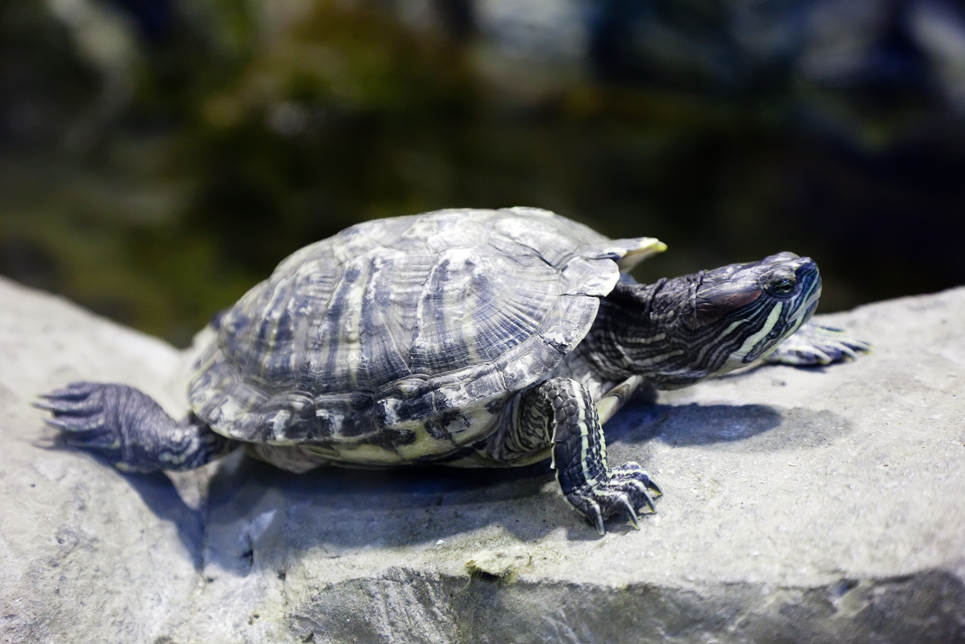
Commonly seen in Red-eared Sliders and Box Turtles. Poor water quality or Vitamin A deficiency can damage the oral mucosa, allowing bacteria to enter the Eustachian tube and form an abscess. This appears as a distinct swelling on one or both sides of the head. Treatment requires surgical incision and drainage to remove the abscess, combined with antibiotic therapy.
Veterinary Diagnostics & Treatment Support
Health Checks & Husbandry Guidance
(Temperature, UVB, Humidity, and Diet)
Parasite Control & Nutrition Advice
Diagnostic Imaging:
Digital X-ray / Ultrasound / Endoscopy
Laboratory Testing:
Blood, Fecal Analysis, etc
Isolation Wards, Oxygen Therapy, and 24-hour Inpatient Observation with qualified veterinary technician
Medical & Surgical Treatment and Procedures
Featured Turtle & Tortoise Articles
Learn More | Contact Us
Call Now to Schedule a Turtle & Tortoise Health Check and Assessment