

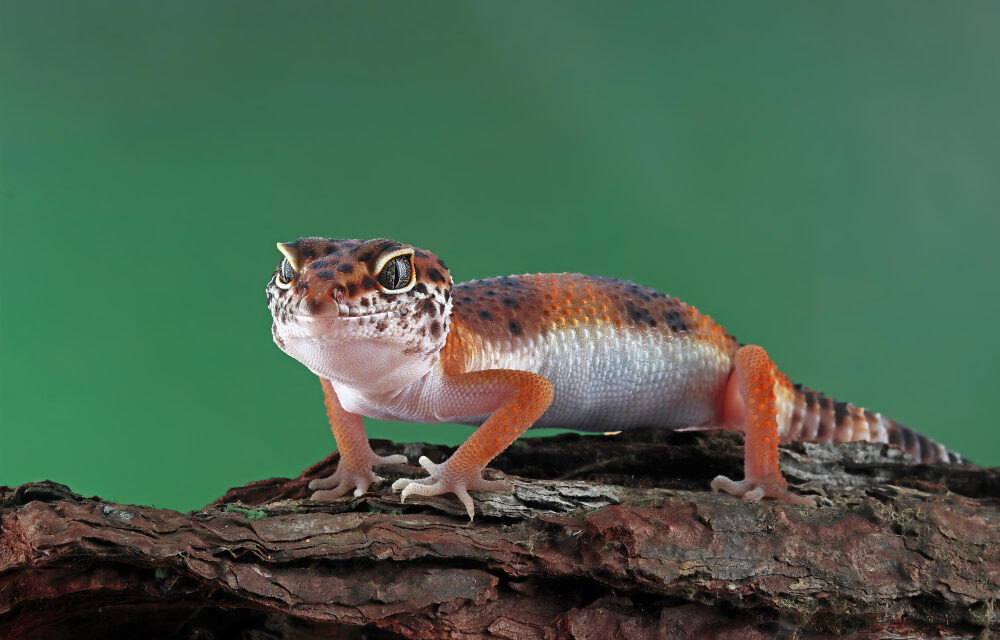
When keeping snakes, geckos, bearded dragons and other reptile pets, if you notice sudden refusal to eat, frequent open-mouth posture, redness and swelling along the lips, or yellow-white cheese-like discharge or pus, this may be a common reptile oral disease: infectious stomatitis, commonly known as mouth rot. Mouth rot causes severe pain and affects feeding. If not treated promptly, bacteria may erode the jaw bones or trigger systemic septicemia.
What Is Infectious Stomatitis in Reptiles?
Reptile mouth rot is an opportunistic infection caused by reduced resistance of the oral mucosa, allowing bacteria such as Pseudomonas and Salmonella, or fungi, to multiply in the mouth. Reptile pus differs from mammalian pus and is often thick and cheese-like, accumulating easily between the gums and teeth.
Common Causes of Reptile Mouth Rot
Mouth rot is usually a warning sign of environmental stress or weakened immunity:
- Incorrect temperature or humidity: Low enclosure temperatures directly suppress the reptile immune system; excessive humidity can encourage bacterial growth.
- Oral trauma: Wounds may be caused by live insects or rodents biting back during feeding, collisions with glass, or the mouth being trapped against hard objects.
- Poor nutrition: Long-term deficiency in vitamin A or vitamin C can weaken the oral mucosa and make it prone to injury.
- Poor cleaning and hygiene: Waste and uneaten food left in the enclosure for long periods can increase infection risk.
- Parasites or chronic disease stress: Internal parasites or other chronic diseases can keep reptiles in a high-stress state.
Clinical Signs of Reptile Mouth Rot
Owners can notice abnormalities by observing the mouth and behavioral changes:
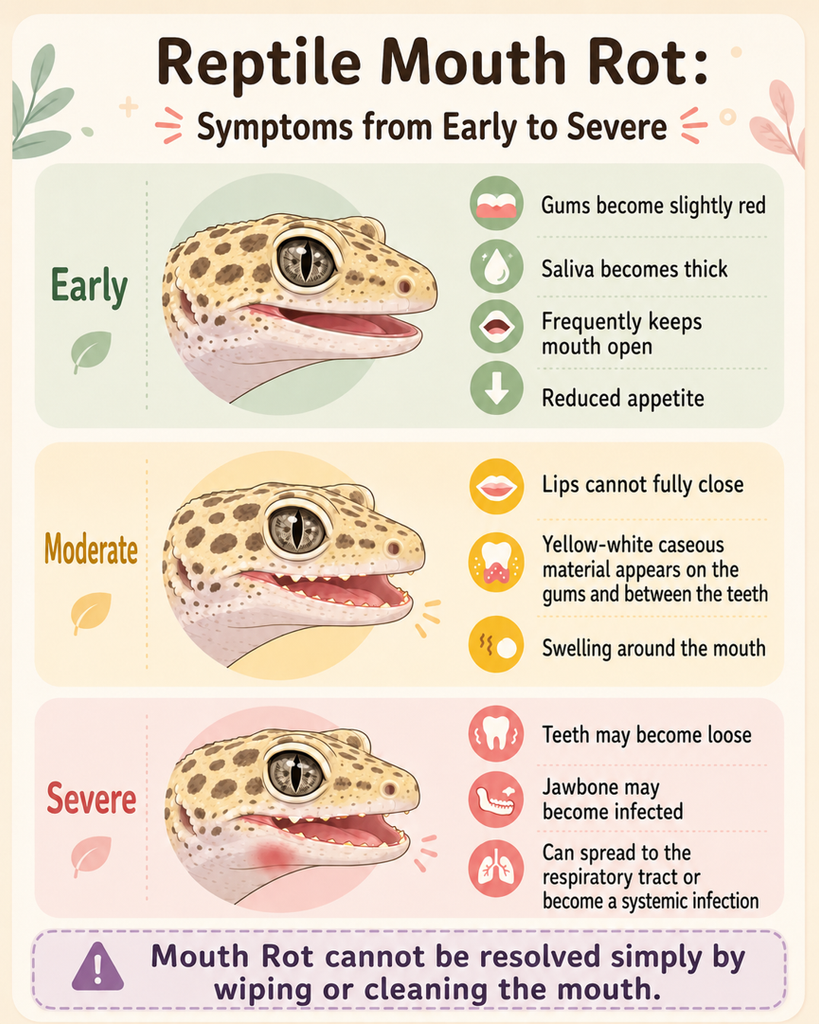
- Early signs: Mild gum redness, thickened saliva, frequent open-mouth posture, rubbing the mouth against the enclosure, and refusal to eat.
- Middle-stage signs: Lips cannot close fully, yellow-white cheese-like material accumulates between gums and teeth, and the mouth edges become swollen or bleed.
- Severe signs: Teeth loosen or fall out, bacteria erode and deform the jaw bone, infection spreads to the respiratory tract causing pneumonia, or enters the bloodstream causing septicemia.
Veterinary Diagnosis and Professional Medical Treatment
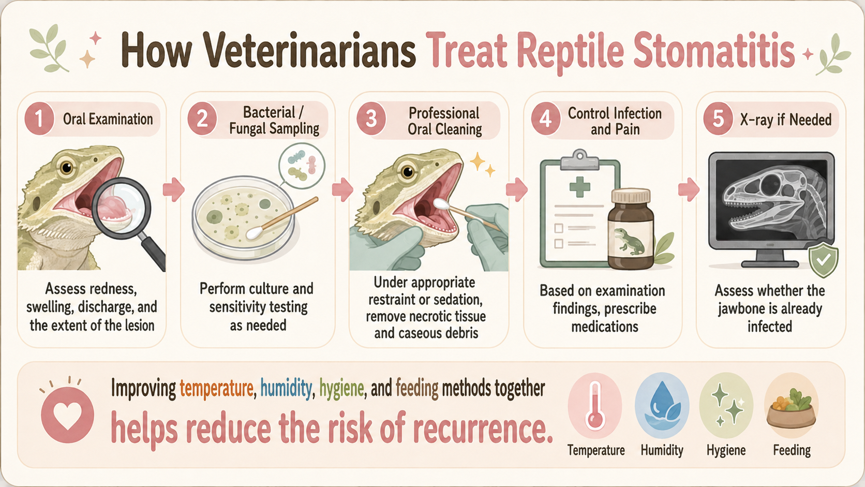
Reptile mouth rot cannot be cured by home rinsing alone and requires professional care from an exotic pet veterinarian:
- Professional examination and microbial culture: The veterinarian will carefully clean the mouth and collect samples for bacterial culture and sensitivity testing to identify the pathogen and choose precise medication.
- Oral debridement: Under light sedation or anesthesia, the veterinarian safely removes necrotic tissue and cheese-like pus from the mouth and flushes it with appropriate antiseptic solution.
- Antibiotics and pain relief: Species-appropriate oral or injectable antibiotics are prescribed to control infection, and pain medication helps reduce pain and restore appetite.
- X-ray examination: If bone involvement is suspected, X-rays may be taken to check for osteomyelitis.
Home Care and Environmental Prevention Tips
- Optimize the habitat: Strictly control basking spot and nighttime temperatures, and provide a temperature and humidity gradient appropriate for the species.
- Adjust feeding methods: Avoid prey that is too large or too active; where needed, switch to tong feeding or appropriately thawed frozen prey.
- Maintain hygiene: Clean waste daily and disinfect the enclosure thoroughly on a regular basis.
Frequently Asked Questions (FAQ)
Q: Can reptile mouth rot heal on its own?
A: No. Reptile cheese-like pus cannot drain on its own, and bacterial infection will continue to invade tissues and bone. Veterinary debridement and antibiotics are required.
Q: What should I do if a gecko or snake with mouth rot refuses to eat?
A: Mouth rot causes severe pain. Do not force-feed before the veterinarian provides pain relief and antibiotics, as this may cause additional oral injury or vomiting.
Q: Can mouth rot spread to other reptiles in the same enclosure?
A: Pathogens can spread through saliva or contaminated water. If reptiles are housed together, isolate the sick animal immediately and thoroughly disinfect the original enclosure.
Q: Can I use a cotton swab to clean the cheese-like material from the reptile’s mouth myself?
A: Deep cleaning at home is not recommended. Reptile oral mucosa is very fragile; excessive force can cause major bleeding or push necrotic tissue deeper. This should be handled by a veterinarian.
Q: How can vitamin supplementation help prevent mouth rot?
A: Reptile-specific vitamin powder containing vitamin A can be added regularly to feeder insects, but overdose should be avoided. It is best to adjust the diet under veterinary guidance.
CityVet Reptile Consultation
CityVet is committed to delivering excellent, comprehensive veterinary medical services. Guided by the core values of professionalism, care and trust, we provide reasonable fees, introduce advanced equipment, and explain treatment options clearly to pet owners, offering comprehensive medical care for every pet. Want to book a reptile consultation? Please call our Tsuen Wan clinic at 2623 5500 or our Yuen Long clinic at 2477 9990. Address: G/F, 186 Sha Tsui Road, Tsuen Wan / Shop 2, G/F, Fook Shun House, 25 Ping Wui Street, Yuen Long.
Disclaimer: This article provides general information only and cannot replace professional medical diagnosis. If you have any concerns, please book a veterinary consultation as soon as possible.