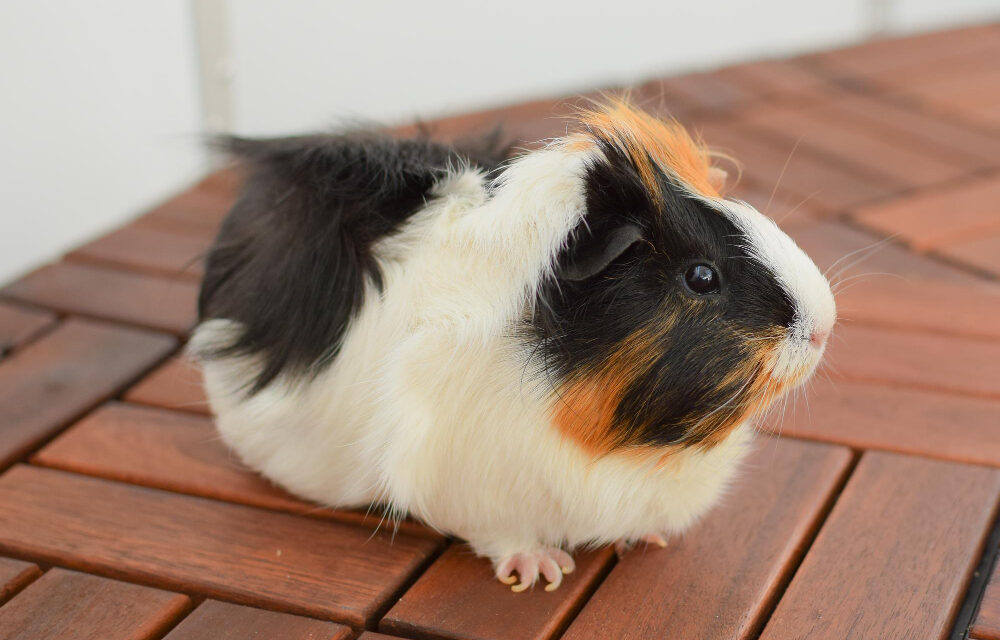
Owners of female guinea pigs may notice unusual body-shape changes in their pets, such as the sides of the abdomen gradually bulging into a pear shape, symmetrical hair loss along the flanks, or even unusually irritable behavior. This is not simply weight gain, but may be a very common endocrine disease in middle-aged to older female guinea pigs: ovarian cysts. Clinically, a high proportion of unspayed female guinea pigs between 1.5 and 5 years of age may develop ovarian cysts.
What Are Ovarian Cysts in Guinea Pigs?
Ovarian cysts are fluid-filled cystic structures that form within the ovaries of guinea pigs. These cysts may be secretory, producing large amounts of estrogen, or non-secretory. When cysts continue to enlarge or abnormal hormone secretion occurs, they can significantly affect the reproductive system, skin, coat and surrounding abdominal organs.
Typical Signs of Ovarian Cysts in Guinea Pigs
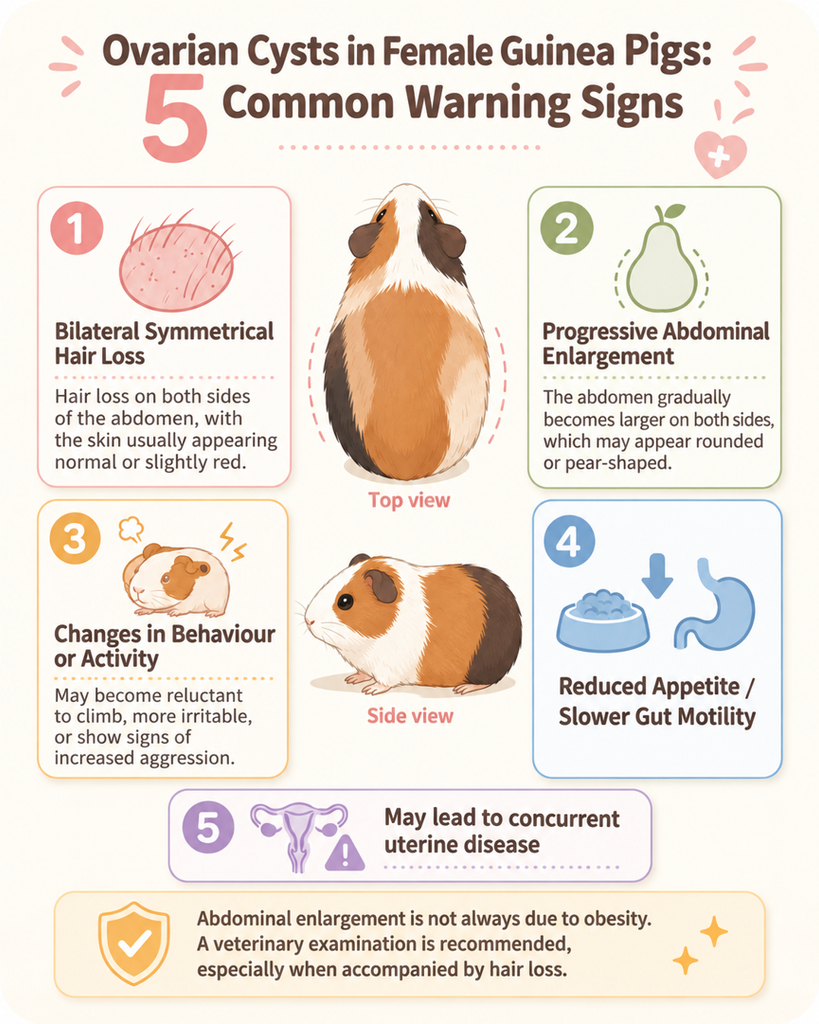
- Symmetrical hair loss on both sides: This is the hallmark sign of secretory cysts. The hair on the flanks, or both sides of the abdomen, gradually becomes sparse or falls out completely, but the skin usually does not become red or itchy.
- Enlarged abdomen (pear-shaped body): As cysts can grow to several centimeters in diameter, both sides of the abdomen may bulge outward noticeably, creating a pear-like shape when viewed from above.
- Behavioral and temperament changes: Under the influence of hormones, female guinea pigs may show heat-like behavior, such as frequent mounting of cage mates, rumbling warning sounds, or increased aggression.
- Loss of appetite and digestive problems: Large cysts can compress the gastrointestinal tract, reducing food intake and slowing gut motility, which may trigger life-threatening gastrointestinal stasis.
- Uterine disease: Ovarian cysts may be accompanied by complications such as hematometra, endometrial hyperplasia or uterine fibroids.
Professional Diagnostic Methods Used by Exotic Pet Veterinarians
Because an enlarged guinea pig abdomen can also be caused by gas, obesity or tumors, the veterinarian may confirm the diagnosis through the following professional examinations:
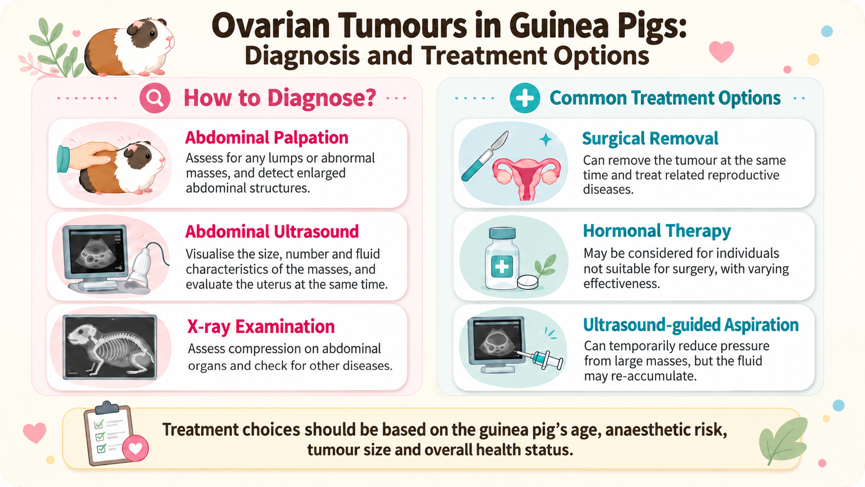
- Abdominal palpation: An experienced exotic pet veterinarian may feel rounded, fluctuant cyst-like structures deep in the guinea pig’s abdomen.
- Abdominal ultrasound: This is the gold standard for diagnosing ovarian cysts. Ultrasound can clearly show the size, number and fluid density of cysts, and can also assess whether the uterus is diseased.
- X-ray imaging: X-rays help assess whether cysts are compressing other organs such as the intestines or lungs, and help rule out other bone or stone-related problems.
Treatment Options for Ovarian Cysts
Treatment depends on the guinea pig’s age, physical condition, and the type and size of the cysts:
1. Surgical treatment: Spay surgery (ovariohysterectomy, OHE)
- Best option: Surgical removal of both ovaries and the uterus is the only method that can completely resolve ovarian cysts.
- Advantages: It fully addresses the cysts and potential uterine disease, such as pyometra or tumors, and prevents recurrence.
- Considerations: The procedure should be performed by a veterinarian familiar with exotic pet anesthesia and delicate surgical techniques to reduce anesthetic risk in guinea pigs.
2. Hormonal medical treatment
- Suitable cases: Guinea pigs that are weak, elderly or not suitable candidates for anesthesia and surgery.
- Mechanism: Regular hormonal injections, such as GnRH or HCG, may be used to try to shrink secretory cysts. Response varies between individuals and long-term maintenance is usually required.
3. Ultrasound-guided aspiration
- A fine needle is used under ultrasound guidance to drain fluid from the cyst, which can rapidly relieve abdominal pressure. However, cysts often refill quickly, so this is usually considered a temporary relief measure.
Frequently Asked Questions (FAQ)
Q: Are ovarian cysts common in unspayed female guinea pigs?
A: Very common. Studies show that more than 70% of unspayed female guinea pigs over 2 years old have ovarian cysts to varying degrees.
Q: Is spay surgery risky for guinea pigs?
A: Guinea pigs are more sensitive to anesthesia and pain, so the risk is higher than in cats and dogs. However, safety can be greatly improved by choosing an experienced exotic pet veterinary team, using gas anesthesia and performing thorough pre-anesthetic blood assessment.
Q: What happens if ovarian cysts are not treated?
A: The cysts can continue to enlarge, compressing the gastrointestinal tract and preventing the guinea pig from eating; hormonal imbalance can also trigger severe uterine bleeding and become life-threatening.
Q: What is the best way to prevent ovarian cysts in guinea pigs?
A: The best preventive method is preventive spay surgery performed by an exotic pet veterinarian when the guinea pig is young and healthy, around 6 months to 1 year of age.
Q: Will the hair grow back after surgery for ovarian cysts?
A: Yes. Once the cysts are removed and hormone levels return to normal, the hairless areas usually regrow healthy, dense fur within 1 to 3 months.
CityVet Guinea Pig Consultation
CityVet is committed to delivering excellent, comprehensive veterinary medical services. Guided by the core values of professionalism, care and trust, we provide reasonable fees, introduce advanced equipment, and explain treatment options clearly to pet owners, offering comprehensive medical care for every pet. Want to book a guinea pig consultation? Please call our Tsuen Wan clinic at 2623 5500 or our Yuen Long clinic at 2477 9990. Address: G/F, 186 Sha Tsui Road, Tsuen Wan / Shop 2, G/F, Fook Shun House, 25 Ping Wui Street, Yuen Long.
Disclaimer: This article provides general information only and cannot replace professional medical diagnosis. If you have any concerns, please book a veterinary consultation as soon as possible.