

Guide to Pet Subcutaneous Fluid Therapy: How Can Owners Safely Replenish Hydration for Cats and Dogs at Home?
In Hong Kong, many senior cats or dogs, particularly those suffering from chronic kidney disease (CKD) or digestive system issues, frequently face the dilemma of rapid body fluid loss or inadequate water intake. When fur babies cannot maintain their internal fluid balance solely through eating or drinking, veterinarians usually recommend that owners administer subcutaneous fluids (Subcutaneous Fluid Therapy). For many owners, encountering “subcutaneous injection” for the first time inevitably brings nervousness and worry that improper operation might cause their beloved pet to suffer.
In fact, subcutaneous fluid therapy is a highly mature and common home care method in contemporary veterinary medicine. As long as correct medical knowledge and operational techniques are mastered, this not only effectively relieves a fur baby’s clinical symptoms but also substantially enhances their quality of life. This article will explain the principles of subcutaneous fluid therapy, clinical assessment indicators, and practical operational recommendations in plain language.
Why Do Fur Babies Need Subcutaneous Fluid Therapy?
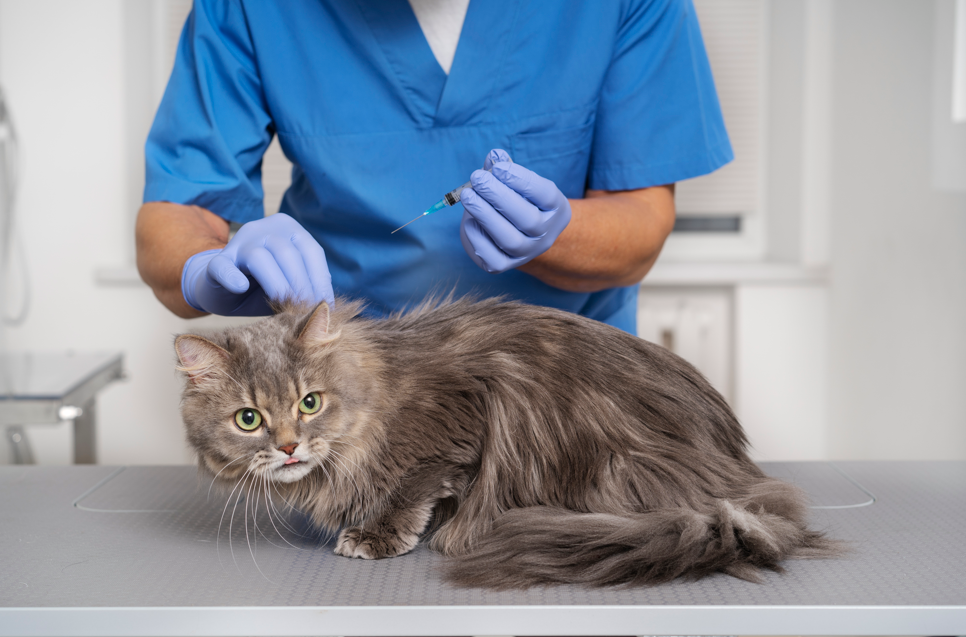
Subcutaneous fluid therapy refers to the injection of sterile electrolyte fluids (such as normal saline or Lactated Ringer’s solution) via a needle into the subcutaneous tissue between a pet’s skin and muscle. Because the skin of cats and dogs is relatively loose and the subcutaneous space is large, fluids temporarily pool there to form a “fluid pocket,” which the body then slowly absorbs over the next few hours based on its hydration needs.
This treatment is extremely critical in Hong Kong pet care, and its primary functions include:
- Correcting Dehydration: Directly replenishes body fluids for pets that do not actively drink water or experience excessive fluid loss.
- Diluting Blood Toxins: For fur babies with kidney disease, increasing body fluids assists the kidneys in filtering and excreting blood urea nitrogen (BUN) and creatinine.
- Regulating Electrolytes: Maintains the balance of electrolytes such as sodium, potassium, and chloride in the blood, supporting cardiac and neurological functions.
- Reducing Emotional Stress: Compared to long-term hospitalization for an intravenous (IV) drip, administering subcutaneous fluids at home allows pets to receive treatment in a familiar environment.
Which Conditions Warrant the Consideration of Subcutaneous Fluids?
Veterinarians will determine the necessity of subcutaneous fluids based on a pet’s clinical examination reports. Common indications include:
- Chronic Kidney Disease
This is the most common reason. Damaged kidneys cannot effectively concentrate urine, resulting in a large amount of water being lost through urination; thus, fur babies may remain dehydrated even if they constantly drink water.
- Acute Dehydration
For instance, during Hong Kong’s hot and humid summer, if a pet experiences early-stage heatstroke, persistent vomiting, or diarrhea, causing a sharp decline in body fluids, subcutaneous fluid therapy can serve as a lifesaver for immediate rehydration.
- Inappetence Caused by Chronic Illness
When a pet refuses to eat or drink due to illness, replenishing hydration via the subcutaneous route can sustain their basic metabolic operations and prevent organ failure triggered by dehydration.
How Can Owners Determine if a Pet is Dehydrated?
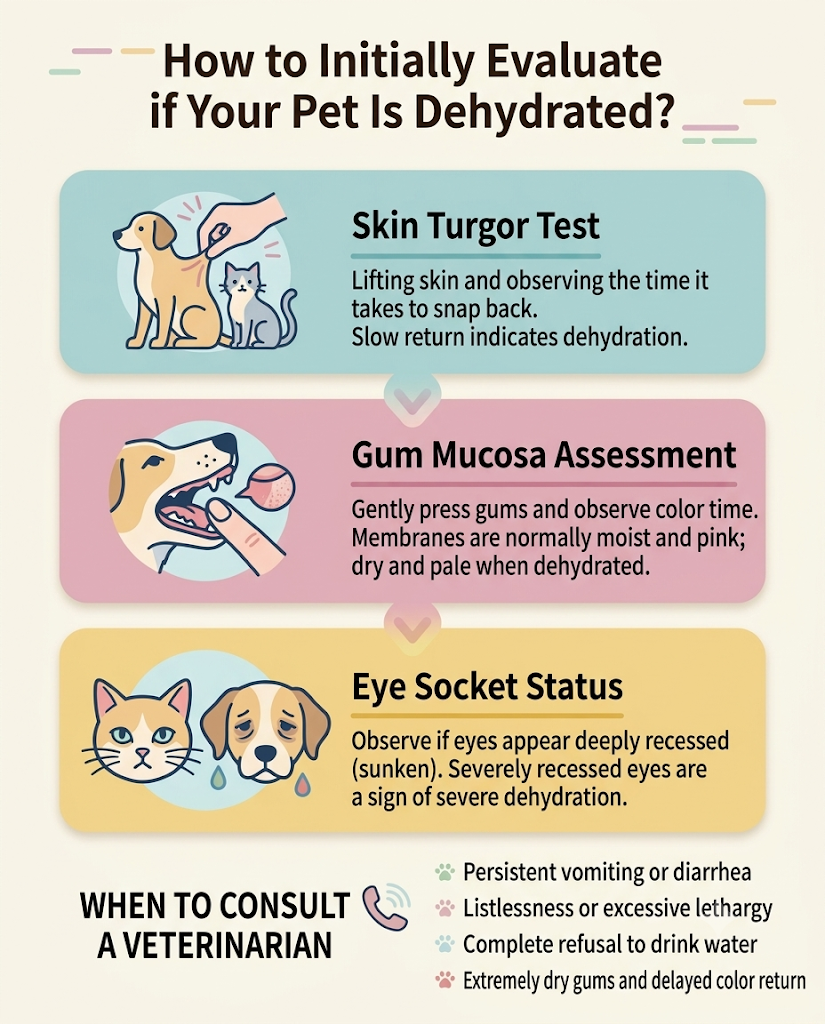
Before deciding to administer fluids, owners can conduct a preliminary assessment of their pet’s hydration status through the following simple physical checks:
- Skin Turgor Test: Gently tent the skin over the pet’s shoulder blades or along the back, then release it. In a well-hydrated pet, the skin will snap back into place immediately; if the snap-back is slow, it indicates moderate to severe dehydration.
- Mucous Membrane/Gum Inspection: Lift the pet’s lip; healthy gums should be pink and moist. If the gums feel sticky to the touch or appear dry, it is a warning sign of dehydration.
- Eye Socket Condition: In cases of severe dehydration, a fur baby’s eye sockets may appear slightly sunken, and their eyes may lose their brightness.
Correct Operational Steps for Home Subcutaneous Fluid Therapy
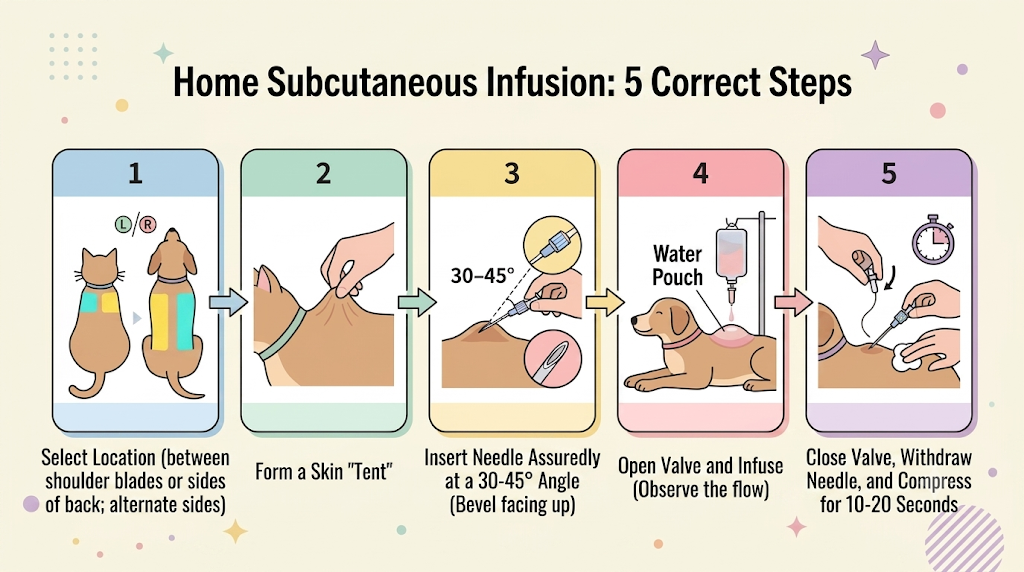
Before beginning, ensure the environment is quiet and prepare all necessary equipment: the fluid bag, administration set (fluid line), disposable sterile needles, alcohol prep pads, and your pet’s favorite treats (as a reward).
Step 1: Select an Appropriate Injection Site
The skin between the pet’s shoulder blades or on either side of the dorsal midline is typically chosen. The subcutaneous tissue here is abundant and loose, with relatively sparse nerve distribution, minimizing the pet’s sensation of pain. It is recommended to alternate the injection site slightly between the left and right sides each time to prevent tissue fatigue in the same area.
Step 2: Form a “Tent” Space
Use your non-dominant hand to gently pull up the skin at the injection site, forming a stable triangular “tent” shape. This tenting action not only creates space for inserting the needle but also helps soothe the pet and distract their attention.
Step 3: Insert the Needle Decisivesly
Maintain the needle at an angle of approximately 30 to 45 degrees to the skin, with the needle bevel facing upward, and smoothly insert it along the base of the “tent.” Remember not to pierce through at an angle or puncture the other side of the skin, and avoid inserting it into the underlying muscle.
Step 4: Fluid Administration and Observation
Open the flow control valve, allowing the fluid to enter the subcutaneous space via gravity. At this point, you will see the injection site gradually swell to form a “fluid pocket,” which is completely normal. Continue to soothe your pet during the process and monitor them for any severe struggling or discomfort.
Step 5: Post-Injection Care
Once the volume prescribed by the veterinarian is reached, close the control valve and swiftly withdraw the needle. After removing the needle, gently press an alcohol pad against the injection puncture for about 10-20 seconds to prevent fluid backflow or minor bleeding.
Frequently Asked Questions and Troubleshooting for Home Care
During actual operations, owners often encounter unexpected scenarios; there is no need to panic excessively:
- Why does the fluid pocket migrate? Influenced by gravity, the “fluid pocket” formed by the liquid may move from the back down to the chest or armpit area; this is a normal physiological phenomenon. As long as the pet’s breathing is smooth, the fluid pocket will be slowly absorbed and disappear within a few hours.
- What should I do if there is leakage or minor bleeding at the puncture site? If a few drops of clear or pale pink fluid leak out after withdrawing the needle, it is typically because the needle gauge is thick or the pressure time was insufficient. Simply apply pressure again for a short moment. If bright red blood appears, observe your pet’s reaction; capillary bleeding usually stops on its own.
- Slower fluid absorption rate? If it is time for the next fluid administration and the previous fluid pocket has not been completely absorbed, you should stop fluid therapy immediately and consult a veterinarian. This might indicate that the pet’s circulatory system is overloaded or that there is an underlying issue with cardiac or pulmonary function.
- Do I need to pay attention to fluid temperature? During winter in Hong Kong or inside an air-conditioned room, the fluid temperature may drop too low. Owners can warm the middle section of the fluid line in their warm palms prior to administration, or ask a veterinarian if a water bath warming method can be used, which can significantly reduce the pet’s resistance to the fluid.
Crucial Reminders and Safety Precautions for Subcutaneous Fluid Therapy
Although the technical barrier for subcutaneous fluid therapy is not high, there are several safety rules that must be strictly observed:
- Absolute Prohibition of Needle Reuse: Once used, a needle is considered medical waste. Reusing needles causes bacterial infections and can even trigger severe subcutaneous abscesses.
- Strict Adherence to Prescribed Dosages: Fluid overload places a heavy burden on the heart and lungs, particularly in cats with occult (hidden) heart disease. Please ensure you administer fluids strictly according to the milliliters and frequency recommended by the veterinarian.
- Hygiene Standards: Wash your hands thoroughly before operation, and use an alcohol pad to carefully wipe the port of the fluid bag as well as the pet’s skin injection zone.
When to Immediately Halt the Operation and Seek Medical Attention?
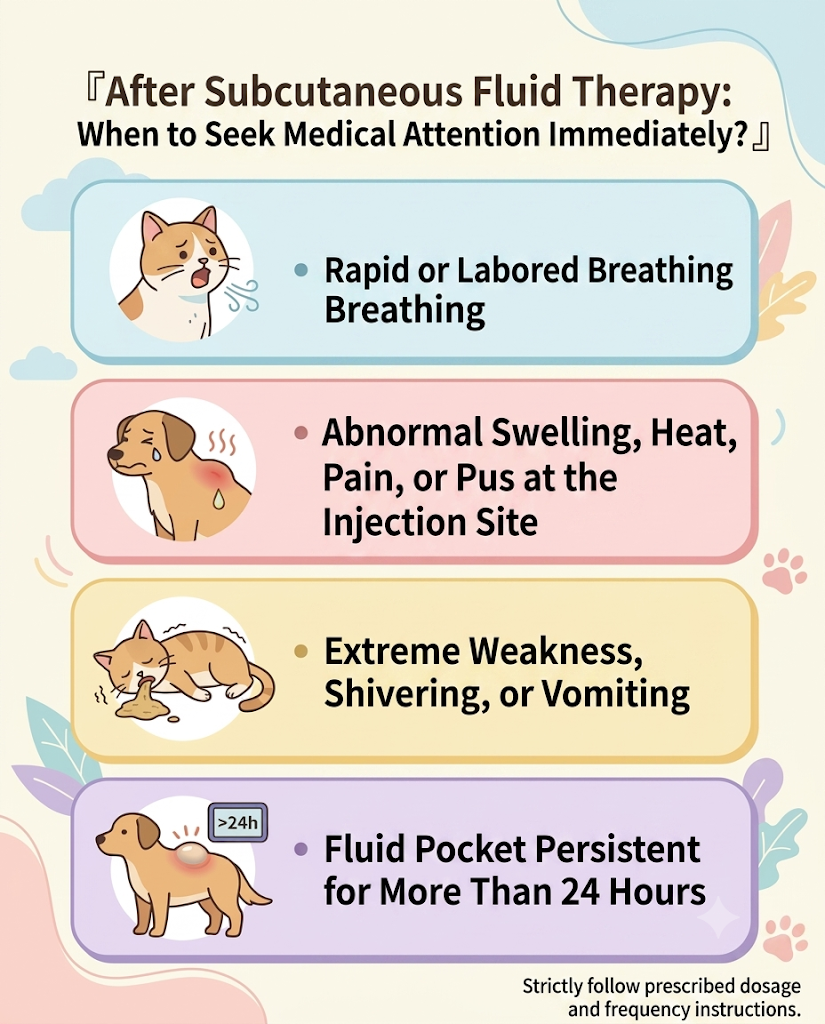
If your pet exhibits any of the following scenarios during or after fluid therapy, please contact the clinic as soon as possible:
- Breathing becomes rapid, labored, or open-mouthed panting occurs.
- The injection site exhibits abnormal swelling, heat, pain, or purulent discharge (pus).
- The pet appears extremely weak, trembles, or vomits.
- The fluid pocket persists long-term (exceeding 24 hours) without disappearing.
Safeguarding Fur Babies with Love and Patience
Learning to administer subcutaneous fluids for a beloved pet is a testament to owners and their frail fur babies facing challenges together. Although you may feel anxious initially, your proficiency and attentiveness serve as the greatest support for your fur baby to get through their illness stably.
If you experience any difficulties during operation, or notice signs of dehydration, a loss of appetite, or other issues in your fur baby, do not hesitate to seek a professional veterinary evaluation early on.
CityVet Internal Medicine & Home Care Support Services
CityVet is committed to providing outstanding comprehensive veterinary care, guided by the core values of professionalism, compassion, and trust. We aim to offer reasonable fees, introduce advanced equipment, and explain treatment options clearly to pet owners, so that every pet receives full medical support. To book an internal medicine consultation or subcutaneous fluid therapy tutorial, please call our Tsuen Wan branch at 2623 5500 or our Yuen Long branch at 2477 9990. Address: G/F, 186 Sha Tsui Road, Tsuen Wan / Shop 2, G/F, Fuk Shun Building, 25 Ping Wui Street, Yuen Long.
Disclaimer
This article is for general information only and does not replace professional medical diagnosis. If you have any concerns, please book a veterinary examination as soon as possible.