 22 Jun
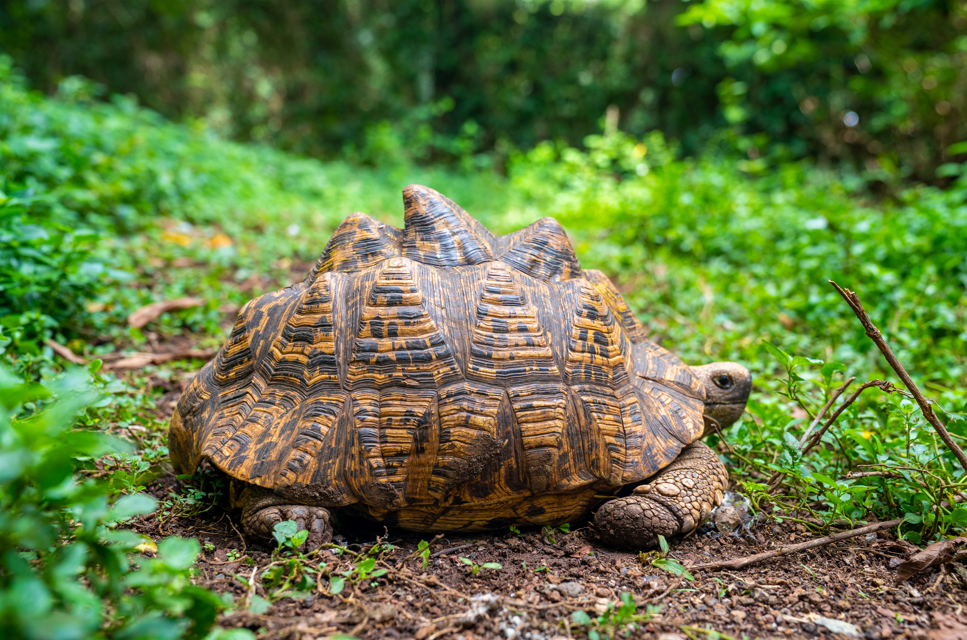
Causes of Tortoise “Pyramiding” and Health Warning Signs
Tortoise Pyramiding is Not a “Natural Part of Growing Up” Many tortoise
 22 Jun
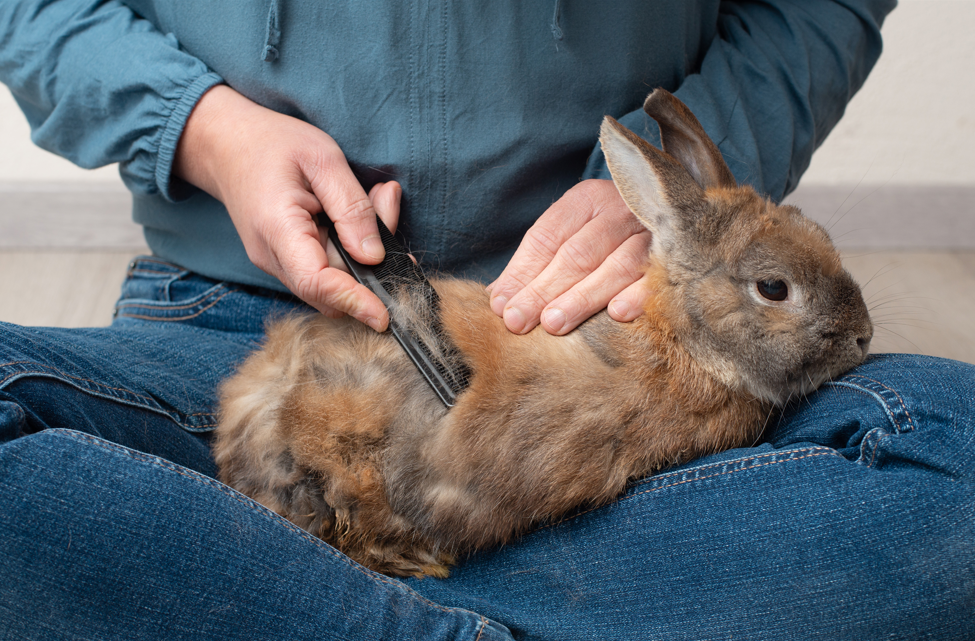
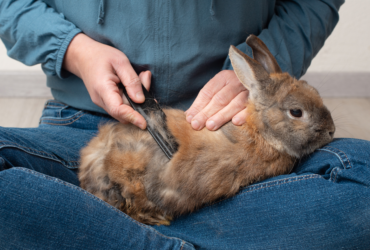
Rabbits and “Hairball Disease”: Grooming is Not Just for Aesthetics, It’s Lifesaving
Rabbit Grooming is Not Just an Aesthetic Issue Many owners believe that
 22 Jun
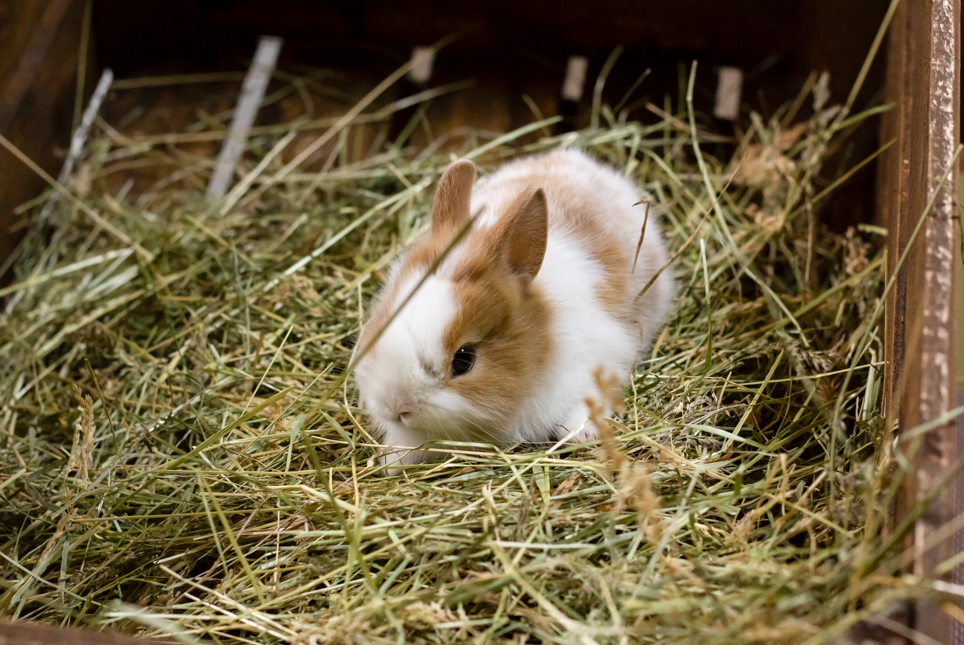
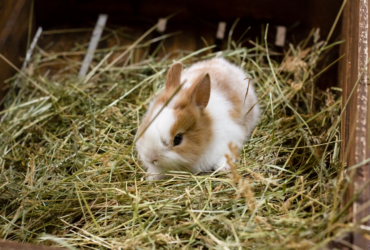
Risks of Buying Pet Hay Online: How Hong Kong Pet Owners Can Identify Contaminated Hay
Buying Pet Hay Online is Convenient, but Risks Should Not Be Ignored
 06 May
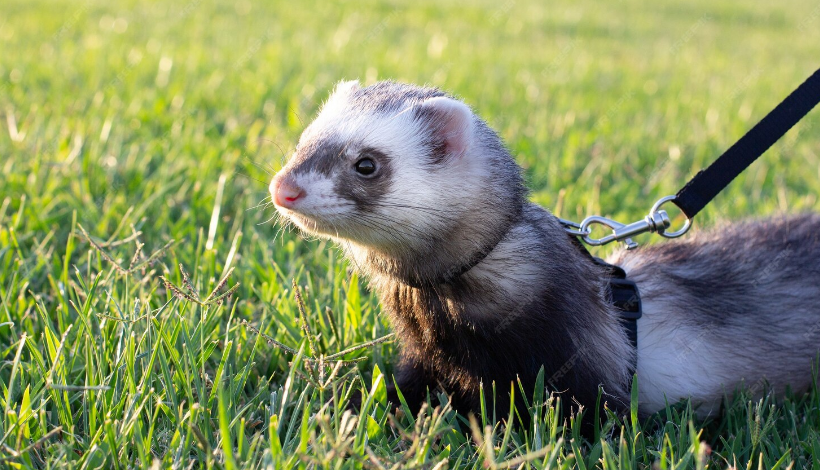
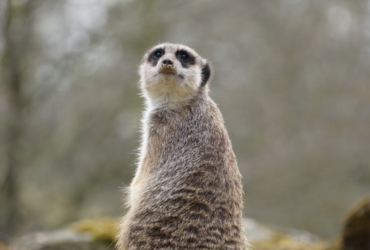
Ferret Veterinary Services | Common Questions, Consultation Process, and Daily Management
Common reasons ferrets in Hong Kong are brought in for veterinary care
 06 May
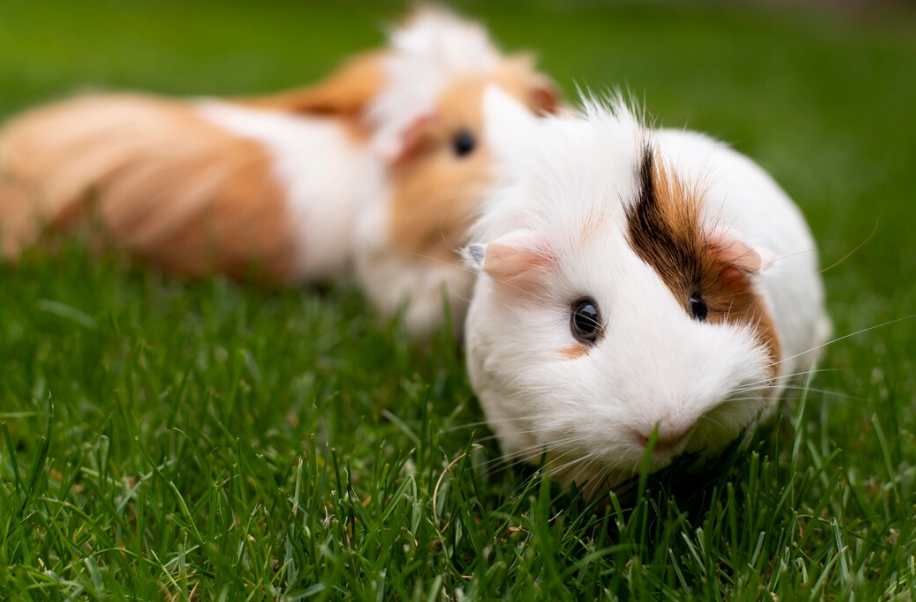
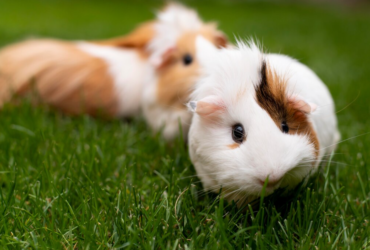
Is Not Eating an Emergency in Guinea Pigs? Recognising the Signs of GI Stasis and Providing Home Care
As herbivores, guinea pigs have a digestive system designed to function continuously.
 06 May
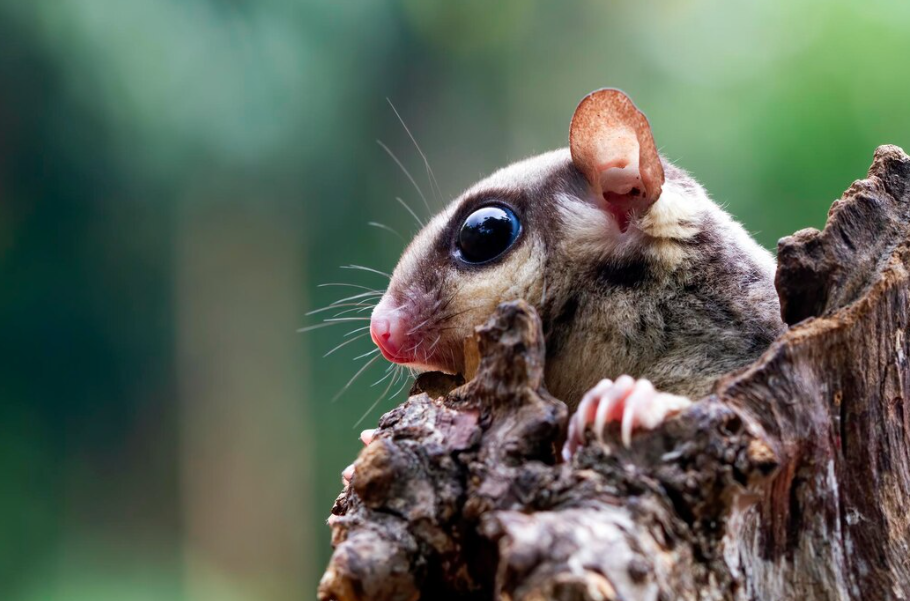
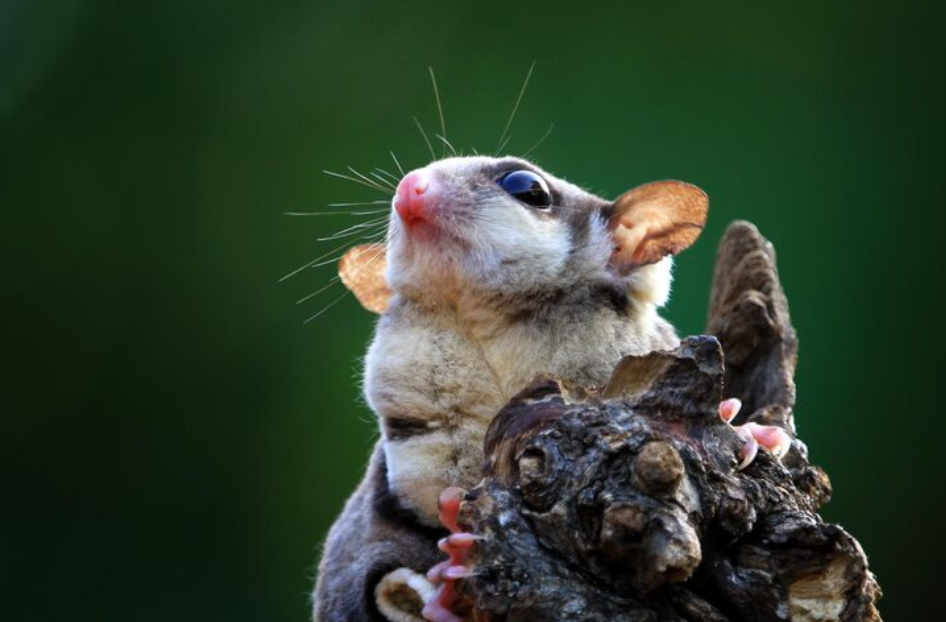
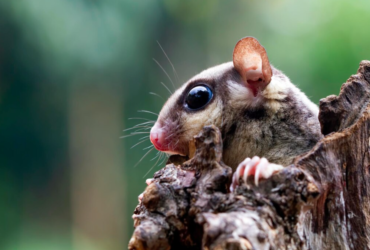
Sugar Glider Vet | Hong Kong Exotic Pet Consultation, Common Diseases, and Home Care
Why do sugar gliders need an exotic animal vet? Sugar gliders are
 06 May
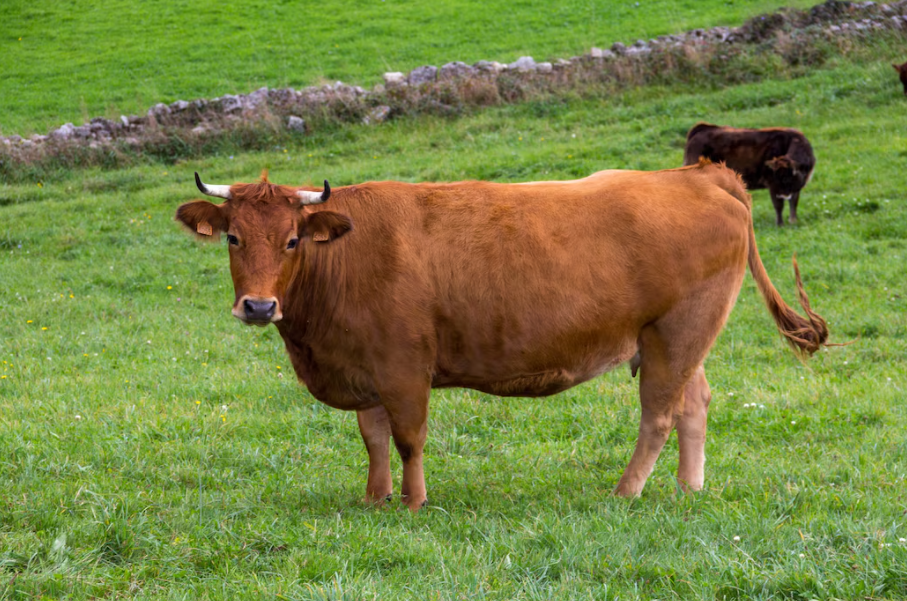
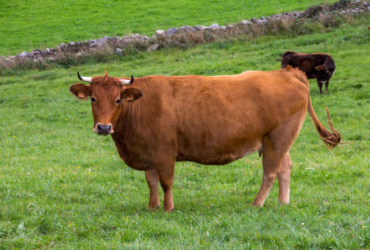
Common Diseases in Cattle and a Guide to Seeking Care: When Should You See a Cow Vet?
Early signs in cattle that are easiest to overlook Cattle often do
 06 May
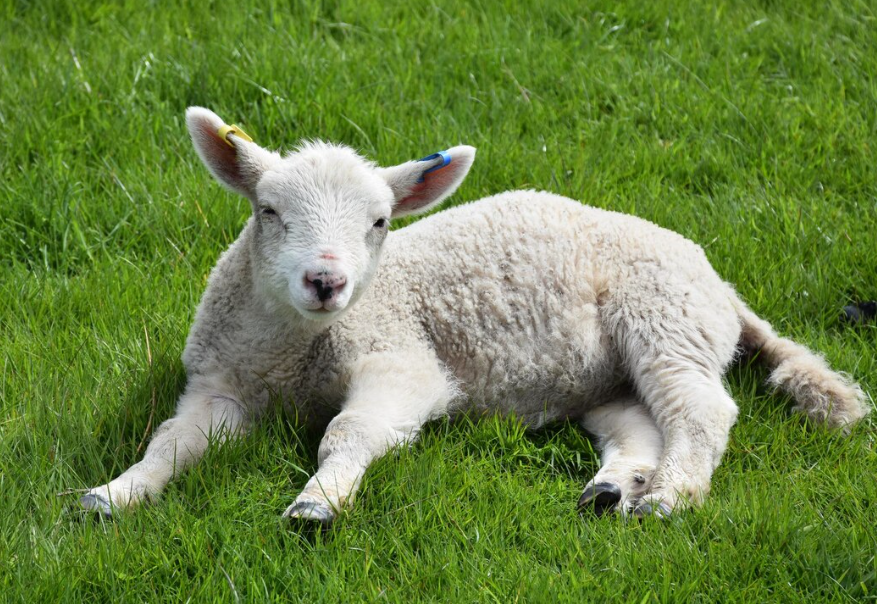
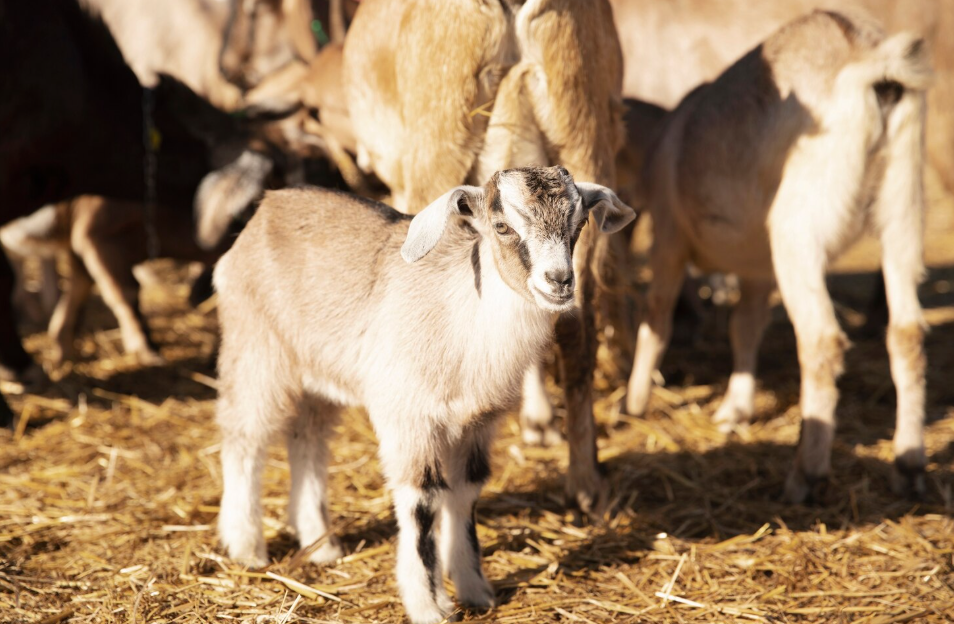
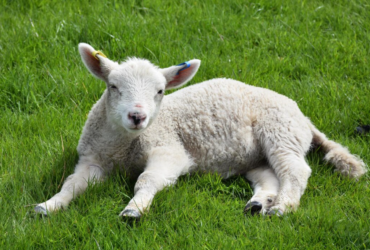
Sheep Vet | Hong Kong Ruminant Consultation Assessment, Common Questions, and the Care Pathway
Why are early signs of illness in sheep so easy to miss?
 06 May
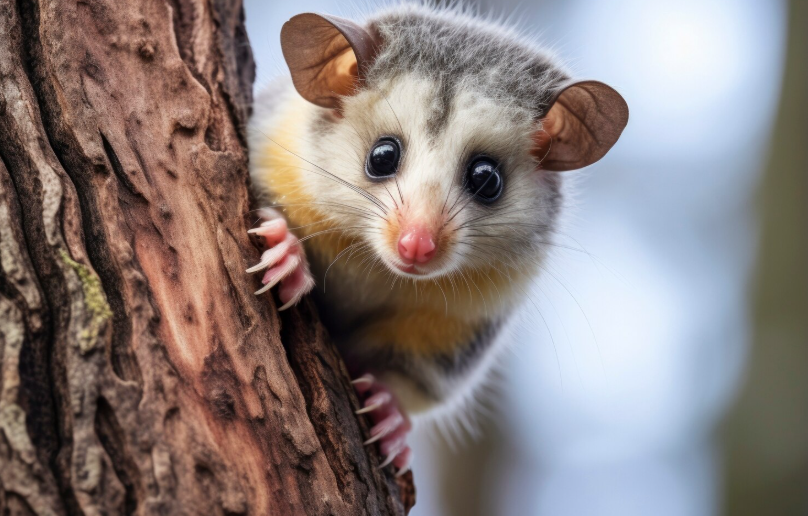
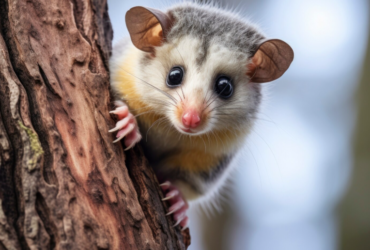
Common Sugar Glider Diseases and Skin Problems: Hair Loss, Abnormal Behaviour, and Treatment Directions
Although sugar gliders are small, their medical needs are quite complex. Many
 03 May
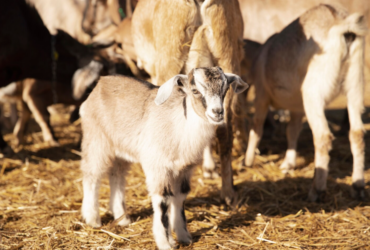
A Complete Guide to Gastrointestinal and Respiratory Diseases in Ruminants: From Daily Care to Parasite Control
In Hong Kong, ruminants such as pygmy goats are commonly kept on
 03 May
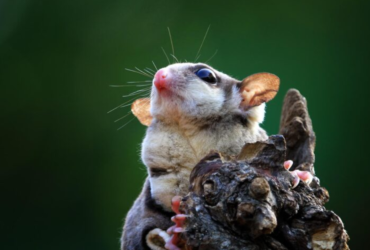
Sugar Glider Care for Beginners: Health Management, Enclosure Setup, and Veterinary Advice
Sugar gliders, with their adorable big eyes and affectionate personalities, have become
 29 Apr
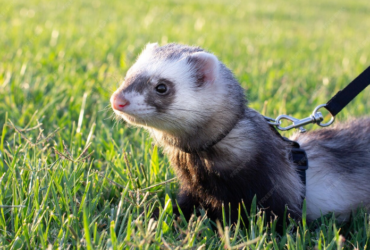
Understanding the Three Most Common Major Diseases in Ferrets: Early Signs of Insulinoma, Adrenal Disease and Lymphoma
Ferrets are lively, curious animals loved by many families in Hong Kong.